What is Oud and What is Bakhoor?
Beginners often use the words interchangeably. Understanding the difference prevents buying the wrong thing and helps you explain your gift confidently.
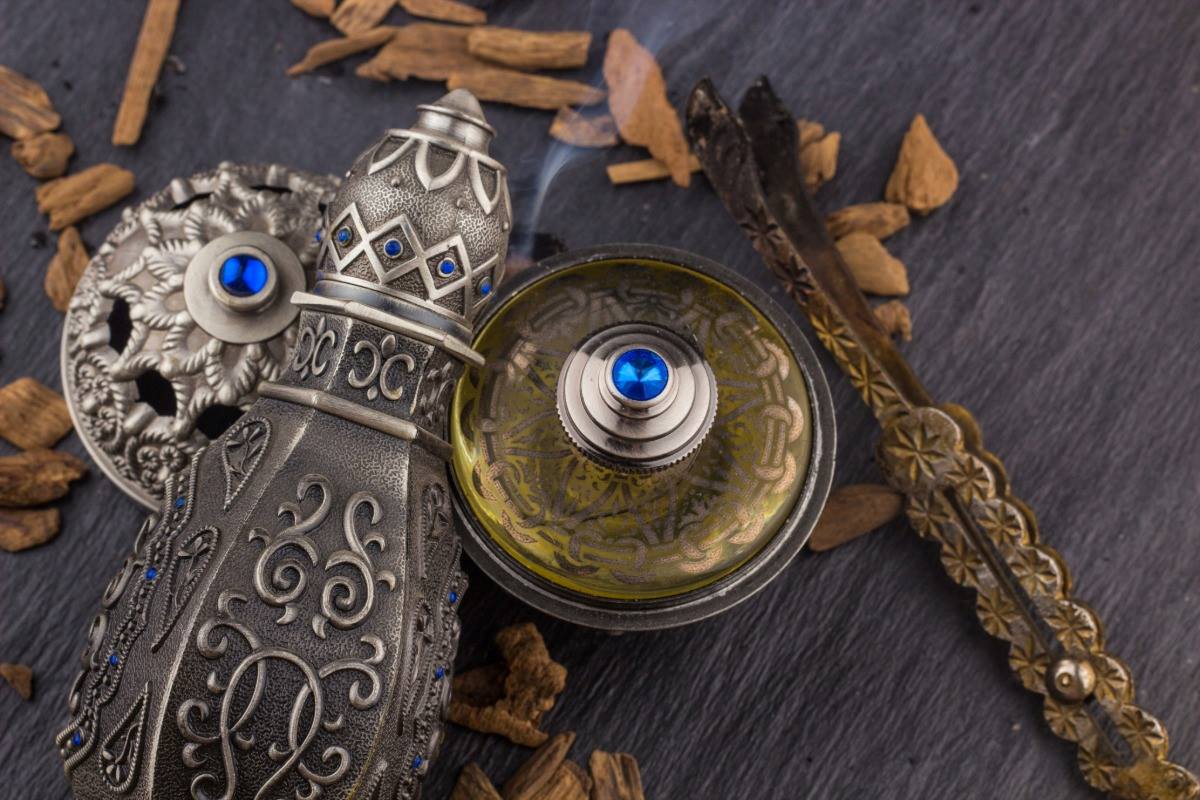
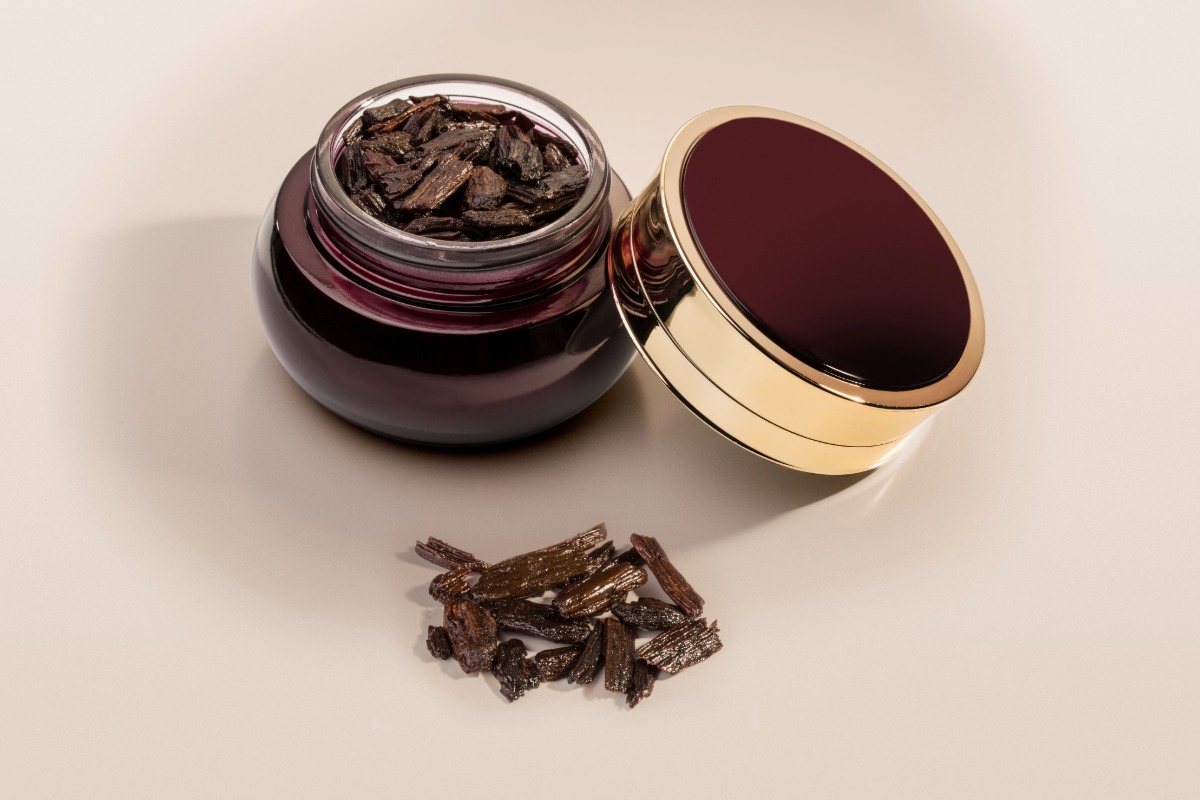
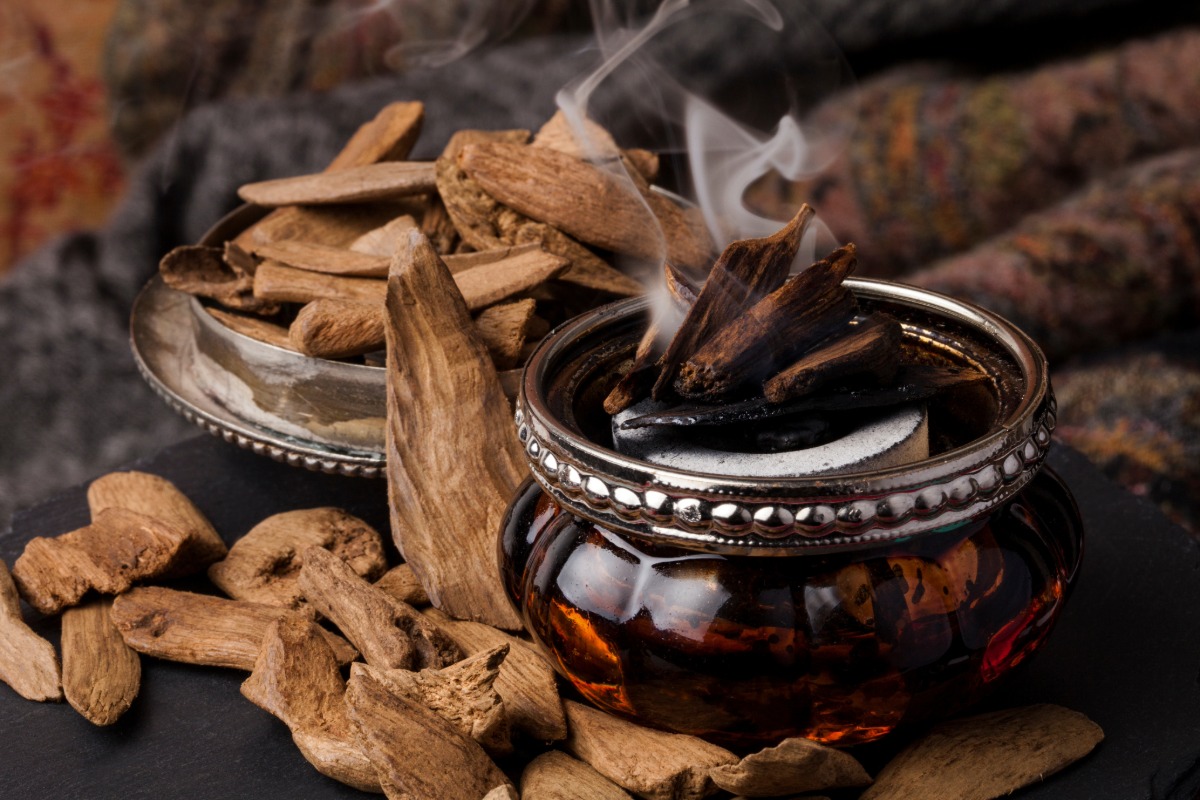
- Oud (also spelled oudh or agarwood) is the starting point. It comes from the resin-rich heartwood of the Aquilaria tree. When the tree is infected, it produces a dark, fragrant resin as a defence that resin is oud. It is rare, slow to form, and deeply valued, often called “liquid gold.” You’ll find it as wood chips, oil (dehn al oud), and as the key note in many Arabian perfumes.
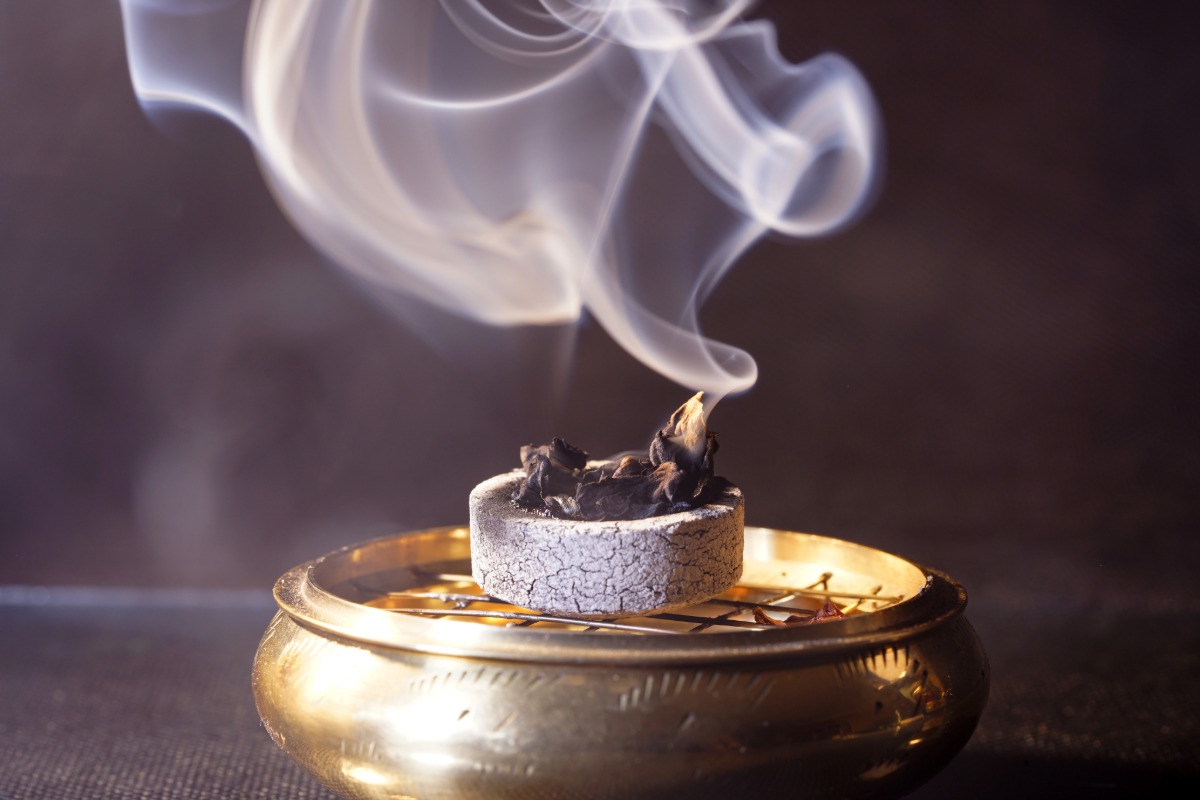
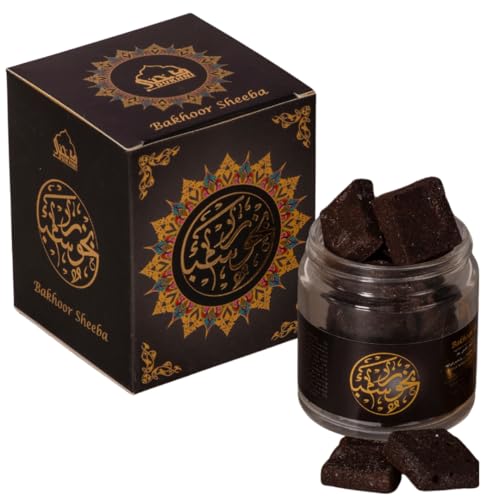
- Bakhoor (also bakhour, bakhour, bukhoor) is not raw oud. It is prepared incense: small wood chips that have been soaked in perfumed oils, often including oud, and blended with resins, sandalwood, musk, amber, rose or citrus. When you place bakhoor on a hot charcoal or in an electric mabkhara, it releases thick, fragrant smoke that scents a room, clothing, and even hair. In daily life, that smoke is the ritual used after meals, before guests arrive, during prayer time, or on Fridays and holidays.
Attar is a separate, alcohol-free perfume oil (often oud-based) that you apply to skin or clothing. It’s a lovely companion gift to bakhoor, but it’s not the same as burning chips. And mabkhara (or mabkhara, bakhoor burner) is simply the burner itself charcoal or electric where bakhoor is warmed.
🏠 Useful tip: The beginner test
If the person has never used bakhoor, don’t start with pure oud chips. Choose a blended bakhoor (oud plus amber/musk or oud plus rose/citrus) and an electric burner. You’ll give them the ritual without the learning curve or the smoke cloud.
7 Tips to Choose the Perfect Oud and Bakhoor Gift
Think like you did in your 30 Questions post start with the person and their home, not the product page.
Learn the 4 types before you shop
Shopping for oud and bakhoor gifts is much easier once you can picture the four formats. You don’t need to memorise everything, just know enough to choose the right lane:
- Bakhoor chips (muattar): The most common gift. Look for “muattar” on the label. It means perfumed/scented. Often sold in 40g jars or small boxes. Shareable and great for guests.
- Oud wood chips (natural): Unblended, more intense and smoky. Beautiful for connoisseurs, but can be too strong for a first gift.
- Bakhoor burner (mabkhara): Electric = plug-in, low smoke, beginner-friendly and apartment-safe. Charcoal = traditional, more ritual but more smoke and needs charcoal discs + tongs.
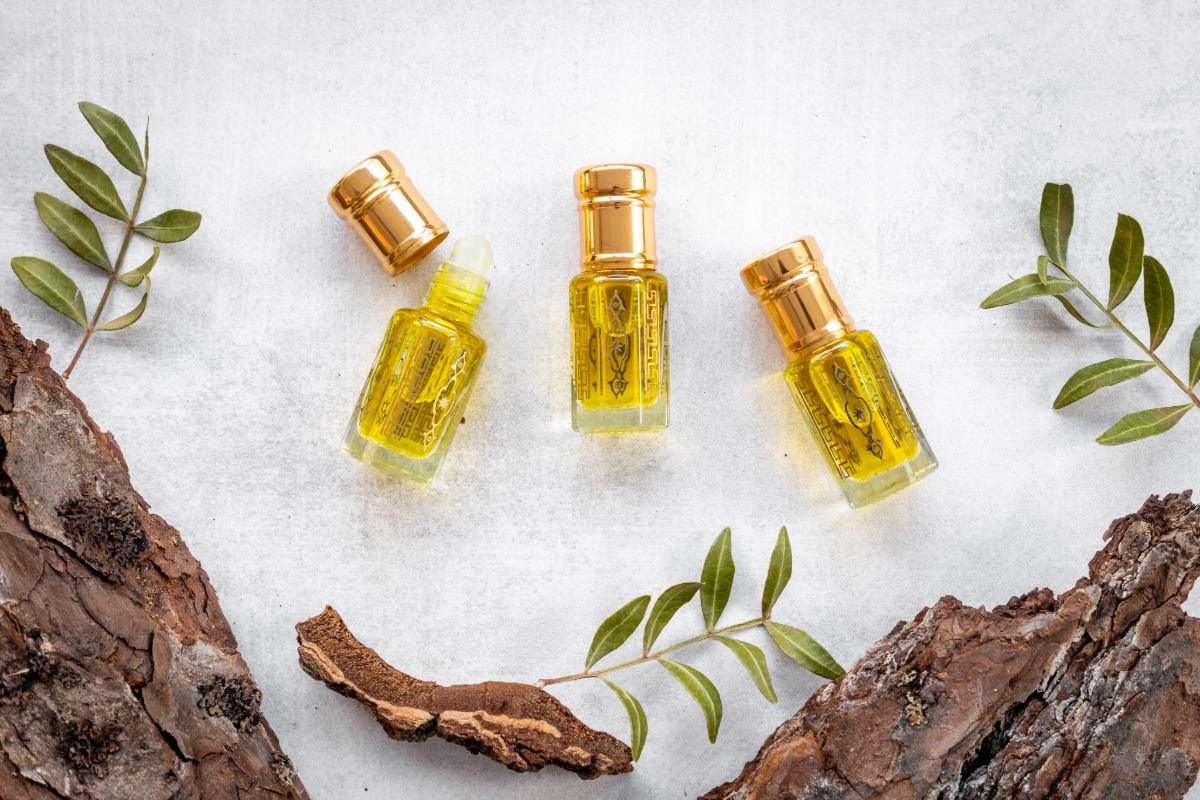
- Attar / perfume oil: No burner needed. A safe alternative when someone loves the scent family but you’re unsure about smoke in their home.
A complete, thoughtful entry set is often one electric burner plus one blended bakhoor jar. It gives the full experience without asking the recipient to buy anything else. That completeness is part of the thoughtfulness.
Useful tip: Read the label like a clue
Look for notes like amber, musk, sandalwood, rose, citrus, saffron. If the person loves vanilla and soft florals, avoid heavy smoky oud notes. If they love woody, warm scents, lean into oudi plus amber.
Match the Scent Family to the Person
You won’t be able to smell every bakhoor before buying, especially online. Use what you know about the person’s taste in perfume, candles, or even tea to guess the family they’ll like. Bakhoor generally falls into three welcoming families:
- Warm and woody (oud + amber + musk + sandalwood): Deep, comforting, evening-friendly. Best for people who love woody perfumes, incense, or cozy winter scents. Often the most “classic” Middle Eastern profile.
- Fresh and citrus-rose (oud + bergamot, lemon, rose, saffron): Lighter and brighter, less heavy smoke impression. Best for floral or fresh-perfume lovers, spring/summer, or those new to smoky scents.
- Sweet and soft (oud + vanilla, caramel, powdery musk): Gentle and gourmand-leaning, often loved by people who enjoy vanilla, sweet candles, or soft skin scents. Very giftable for beginners.
If you’re still unsure, choose a variety box with 3–4 small compartments (many Dukhni or Arabian sets offer this). It lets the recipient sample without committing, and it feels generous, like a tasting flight for scent. For someone who is very scent-sensitive, consider an oud attar roller instead of smoke at all.
🏠 Useful tip: The small-apartment rule
For apartments under ~50m², always pair bakhoor with an electric burner and include a small card: “Start with half a chip. You can always add more.” It prevents the common beginner mistake of using a full chip and overwhelming the room.
How much should a bakhoor or oud gift actually cost?
Raw agarwood (oud) can be astronomical in price, but an authentic bakhoor gift does not need to be expensive. In fact, an overly costly gift can create an awkward obligation to reciprocate. Thoughtfulness always beats price point.
Clear budget tiers to guide your choice:
💰 $20–$30 (thoughtful token): A single 40g jar of blended bakhoor or a trio of small attar perfume oils. Ideal as a minor gesture or a stock-up add-on.
💰 $30–$55 (the sweet spot): A bakhoor variety pack (20–30 pieces) with tongs, or a high-quality standalone electric burner. Perfect for casual occasions.
💰 $55–$85 (the complete experience): An electric burner packaged with a jar of bakhoor in a proper gift box. They can open and use it immediately. This is the most recommended tier for beginners.
💰 $85+ (collector tier): Premium oud-forward sets, raw wood pieces, or luxury brand sets (e.g., Arabian Oud, Ajmal). Best reserved for major milestones or experienced users.
Think About Their Home Before You Buy
This is the practical tip most guides skip, but it is the one that prevents instant disappointment. Because bakhoor produces smoke, home context matters far more than it does with a standard candle. Ask yourself:
Small Apartment or Studio?
Choose low-smoke bakhoor paired with an electric burner rather than charcoal. Electric burners warm the incense gently and won’t overwhelm a compact room in seconds.
Sensitivity, Asthma, Pets, or Children?
Look for “light” or “soft” on the label, avoid heavy, smoky oud blends, and consider adding an alcohol-free attar oil as a smoke-free alternative.
Smoke Detectors?
Go with an electric burner. Charcoal and a large incense chip can easily set off a sensitive detector; electric burners give complete temperature control with far less visible smoke.
Ventilation: Bakhoor works best when you can air out the room for 10 minutes afterward. If your recipient rarely opens windows, remind them that half a chip goes a long way.
Apartment rule (under 50 m²): Always pair bakhoor with an electric burner and include a small note on the card: “Start with half a chip you can always add more.” It prevents the common beginner mistake of overwhelming the space.
Choose the Burner Before the Bakhoor
Beginners often do this backward. They buy beautiful fragrant chips and forget the burner. Without one, bakhoor cannot be used. Decide on the burner type first, then match the bakhoor to it:
🔥 Electric Mabkhara (best for gfts): Plug-in, temperature-controlled, no charcoal required, and significantly less smoke. Look for models with ceramic or metal construction, a removable plate, and a 5–7 minute warm-up time. Ideal for beginners, offices, and small apartments.
🔥 Charcoal Mabkhara (traditional): A rich traditional ritual involving a charcoal disc, tongs, and an aromatic plume of smoke. Requires more steps, proper ventilation, and a heat-proof surface. Best for someone who already appreciates the ceremony or owns a dedicated space for it.
🔥 Bakhoor without a burner: Only gift bakhoor alone if you know for certain they already own a burner. Otherwise, always gift a complete set. Gifting loose bakhoor without a burner is the equivalent of gifting loose tea without a teapot.
If you are shipping long-distance or don’t know their wall outlet type, choose a complete starter kit or a universal ceramic burner to remove the guesswork. Complete sets from brands like Dukhni or Swiss Arabian are designed specifically for this kind of beginner completeness.
Respect the Etiquette: 5 Mistakes to Avoid
In Middle Eastern culture, burning bakhoor is how you welcome people into your home. Showing a little care with how you gift it ensures your recipient actually enjoys the experience.
❌ Choosing the strongest oud for a beginner: heavy, smoky agarwood can be overwhelming for a newcomer. Start with balanced, softer profiles like oud blended with musk, amber, rose, or citrus.
❌ Ignoring smoke sensitivity: if they have allergies, asthma, pets, or young children, opt for an electric, low-smoke burner setup or include a smoke-free attar oil roller.
❌ Gifting bakhoor without a burner: Sending incense chips without a way to burn them is like gifting coffee beans without a grinder. If you aren’t certain they own a burner, gift a complete set.
❌ Going overboard on price or packaging: An overly extravagant gift can make the recipient feel obligated to reciprocate. A neat, modest box is far better than an oversized luxury case that creates pressure.
❌ Forgetting a quick how-to note: A simple 3-line card (“Place half a chip on the warm burner, enjoy for 10–15 minutes, and air out the room after”) removes confusion and ensures a good first experience.
If you are gifting to a Middle Eastern host, colleague, or friend, hand the gift over using your right hand or both hands with a brief note: “A small gift for your home, I hope you enjoy the scent.” For non-Middle Eastern recipients, frame it simply as an appreciation of traditional scent culture rather than a novelty item.
🏠 Hospitality tip: Bakhoor is designed to scent a shared space for family and guests. That is what makes it such an exceptional housewarming gift. It creates an atmosphere everyone enjoys without adding physical clutter to their homes
Make It Ready to Use: What to Include and What to Write
The most thoughtful bakhoor gifts are completely self-contained. Adding a few small accessories and a quick card transforms your gift from a passive object into an experience they can use the night they open it.
What to include in the box:
The bakhoor: A jar or box with clearly labeled scent notes.
The burner and tools: An electric burner (if they don’t own one) plus small metal tongs if you are gifting charcoal.
A 3-Line how-to card: “Warm burner for 3–5 min → Add half a small chip → Enjoy scent for 10–15 min → Ventilate briefly. A little goes a long way.”
A quick safety note: Advise placing the burner on a heat-proof surface, keeping it away from pets and children, and storing the bakhoor in a cool, dry place with the lid tightly closed
What to Write in the Gift Card (Five Ready-to-Use Phrases)
Pick the phrase that best matches your relationship and write it directly on the card:
✒️ For a housewarming: “For your beautiful home a warm scent to welcome guests. Start with half a chip; a little goes a long way.”
✒️ For a casual friend: “A touch of traditional scent culture for your home. Electric burner = low smoke and an easy, cozy ritual.
✒️ For scent-sensitive friends: “I chose a soft oud and amber blend gentle, non-smoky, and perfect for quiet evenings.”
✒️ For a dinner host: “Everything you need is in the box, just plug in, add half a chip, and enjoy. Thank you for having us!”
✒️ For a special gathering: “A small gift for many cozy moments. Wishing your home warmth and wonderful gatherings.”
Personal touch tip: handwrite the note and add one sentence explaining why you chose that specific scent profile (“I remembered you love warm vanilla and soft woods—this blend felt like you”). That single line turns a simple product into a personal memory.
How to Use Bakhoor Safely at Home
Include this as a small card in your gift. It prevents the #1 beginner error: using too much at once.
1. Warm the burner first
Electric: plug in 3–5 minutes until the plate is warm (not scorching). Charcoal: light charcoal disc with tongs, wait until edges turn grey and it stops sparking.
2. Add a tiny piece
Half a small chip or one pea-sized piece is plenty. Less is more you can add, you can’t remove smoke. Place gently with tongs or fingers (for electric, no need for charcoal).
3. Enjoy 10–15 minutes, then ventilate
Scent develops in the first minutes. Air the room for 5–10 minutes after. Never leave a burner unattended; place on a heat-proof surface away from curtains, kids, and pets. Store bakhoor sealed, cool and dry.
⚠ Useful tip: For sensitive homes
If allergies, asthma, pregnancy, or pets: choose electric on lowest setting, use half the usual amount, keep a window cracked, and limit to 10 minutes. When in doubt, gift the attar roller as the main gift and the bakhoor as a tiny sample to try later.