What does omiyage mean?
Omiyage is commonly translated as “souvenir.”
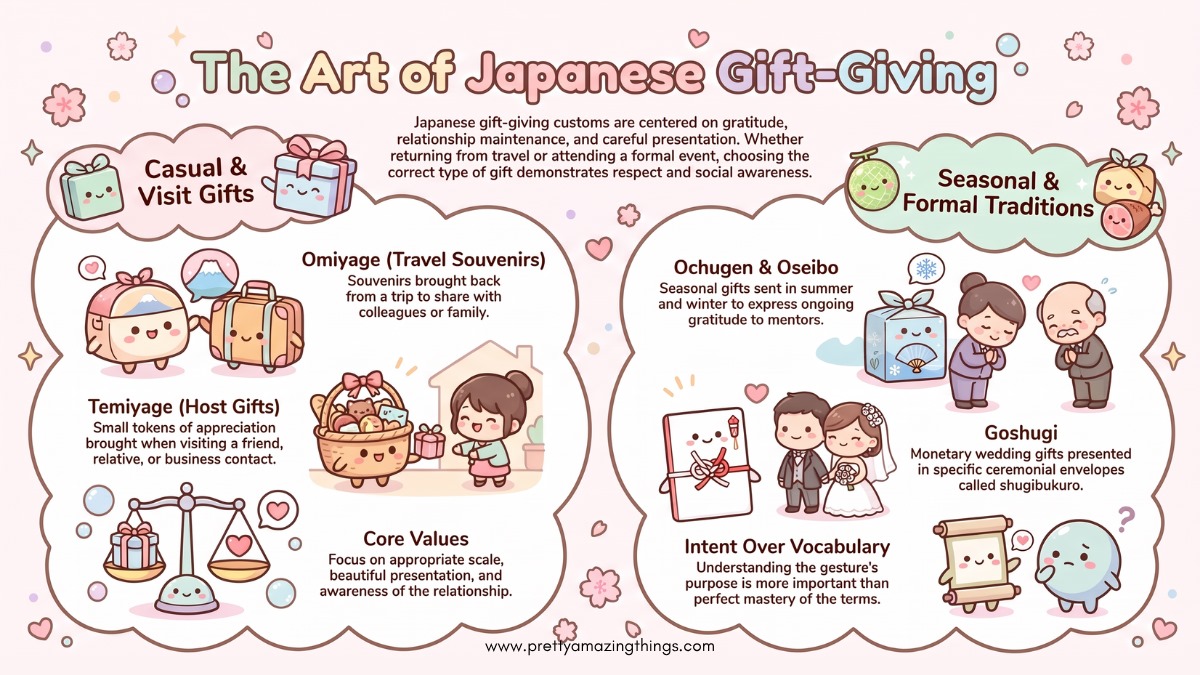
In everyday use, it refers to gifts brought home after travel. Unlike Western souvenirs, which are often bought for oneself, omiyage is meant entirely to be shared. The person returning doesn’t simply show where they have been; they include others in the experience through a small token, usually something local and shareable.
There is no single rule that applies in every family, workplace, or region. Still, the common idea is reciprocity and consideration. A weekend trip, holiday, business journey, or visit to another city can be an occasion to bring something back. In offices, a box of individually wrapped sweets may be placed in a shared space so colleagues can take one. Among relatives, a regional confection or specialty tea might be given more personally.
The gesture is intentionally modest, as omiyage should never create a sense of debt.
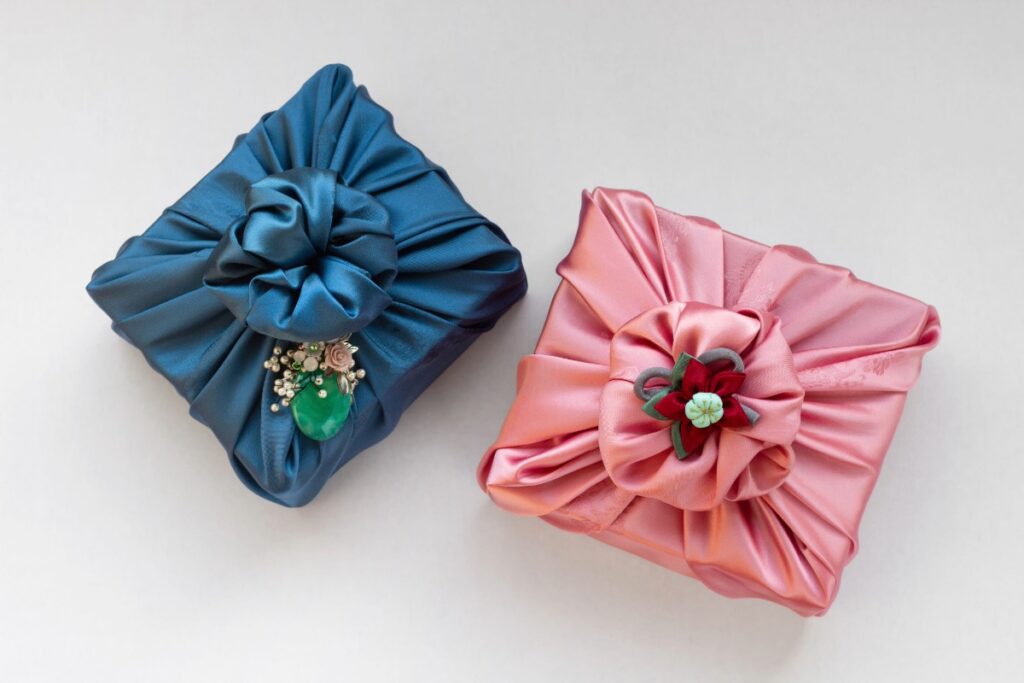
In fact, a gift that is too expensive can make the recipient uncomfortable because it may feel difficult to reciprocate. A well-chosen, neatly packaged local specialty shows thoughtfulness without becoming a burden.
Omiyage, temiyage, and other Japanese gift customs
Japan has many gift occasions, so knowing a few key terms helps. Omiyage is connected to travel: you bring it back after going somewhere. Temiyage is a small present brought when visiting someone, such as a host, relative, or business contact. It may be sweets, fruit, a local specialty from your home area, or another thoughtful token offered as thanks for the hospitality.
Then there are seasonal gifts such as ochugen (summer) and oseibo (year-end), which are traditionally sent to express ongoing gratitude to supporters, mentors, or clients. Formal occasions bring their own customs, such as goshugi, a monetary wedding gifts presented in specific ceremonial envelopes (shugibukuro). While these customs serve different purposes, they all share core values: care, appropriate scale, beautiful presentation, and awareness of the relationship.
For a traveler or visitor, the distinction is simple:
- Omiyage: You return from a trip to Kyoto and bring a box of yatsuhashi to share with your team.
- Temiyage: You go to dinner at a friend’s home and bring a quality box of treats to hand to the host.
Don’t worry about using the Japanese terms perfectly. Understanding the intent behind the gesture matters far more than getting the vocabulary right.
Why food is the classic omiyage choice?
Walk through a Japanese train station or airport and you will see entire areas devoted to regional specialties. This is not accidental.
Food works beautifully as omiyage because it is shareable, temporary, and connected to a specific place. It lets the recipient enjoy a taste of your journey without needing to find a permanent spot for another object.
Individually wrapped portions are especially practical for offices and larger families. They are clean, easy to distribute, and don’t require anyone to cut or divide anything on the spot. Packaging matters, too. A box doesn’t have to be extravagant, but it should look tidy and intentional—the pleasure begins before the first bite.
Regional food also carries a story. Tokyo Banana, Hokkaido cookies, Kyoto matcha sweets, Okinawan brown-sugar treats, and local fruit products all serve as a gentle introduction to a place the recipient may not have visited. If you are traveling to Japan from abroad, the same principle applies: choose a local specialty from your home region that is recognizably tied to the area and easy to share.
What makes a good omiyage gift?
- It is easy to share or distribute.
- It has a clear connection to the place you visited.
- It is neatly packaged and in good condition.
- Its price feels appropriate to the relationship.
- It considers dietary needs, allergies, and workplace rules.
15 Thoughtful Omiyage Ideas
1. Individually wrapped regional cookies
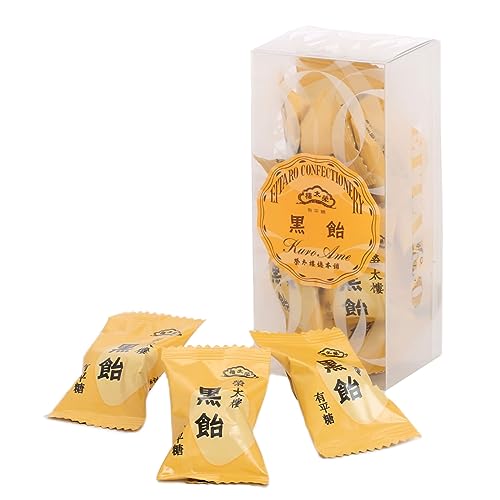
This is the most reliable choice for colleagues and larger groups. Look for a respected local bakery, a clear best-before date, and portions that are easy to distribute from a shared box. It feels generous without being overly personal.
2. Local matcha or roasted tea
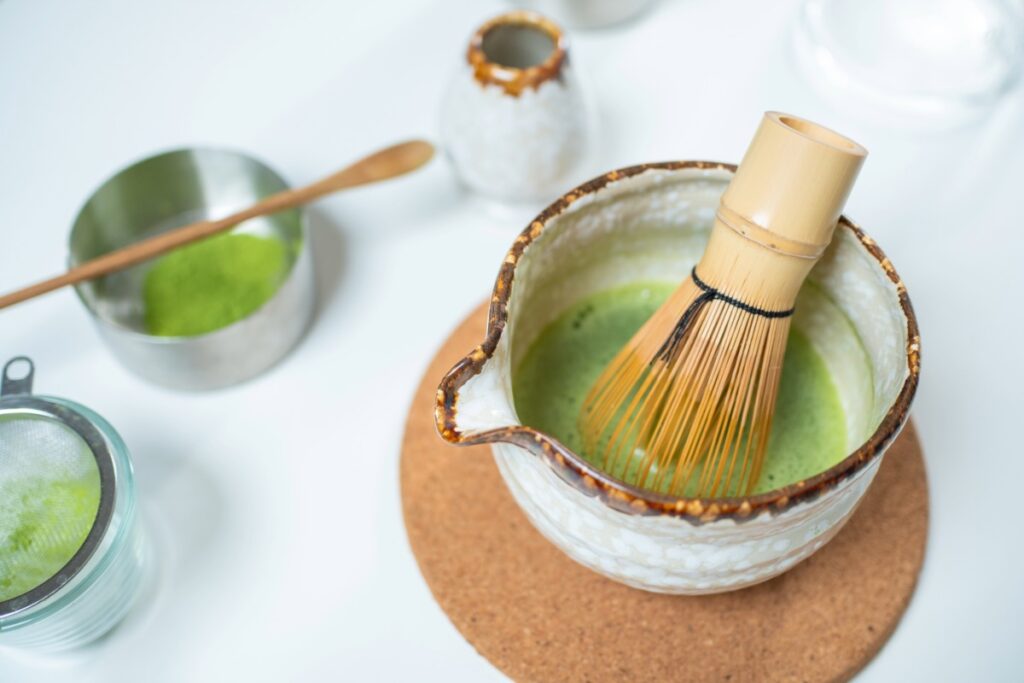
Japanese green tea (Sencha) or matcha is compact, elegant, and ideal for people who prefer a less sugary gift. Choose a small tin or a well-sealed packet from a reputable producer. Including a brief note about where it came from and how you enjoyed it adds a thoughtful touch.
3. Specialty coffee from a local roaster
A modern alternative to tea, a bag of locally roasted beans or single-origin drip bags works well for friends, hosts, or coffee lovers. It is especially appreciated when you know the recipient enjoys brewing or discovering new roasters.
4. Beautifully packaged crackers or savory snacks
Not everyone wants sweets. Rice crackers (senbei), spiced nuts, regional chips, or artisan savory biscuits give a group a welcome alternative. They are practical for offices and often easier to align with dietary preferences.
5. Regional fruit preserve or local honey
A small jar of jam, marmalade, or honey feels special while remaining practical. Choose a flavor tied to the destination, such as yuzu, chestnut, local citrus, or regional berries. Note: Check customs rules if carrying food across international borders.
6. A Tiny craft from a local maker
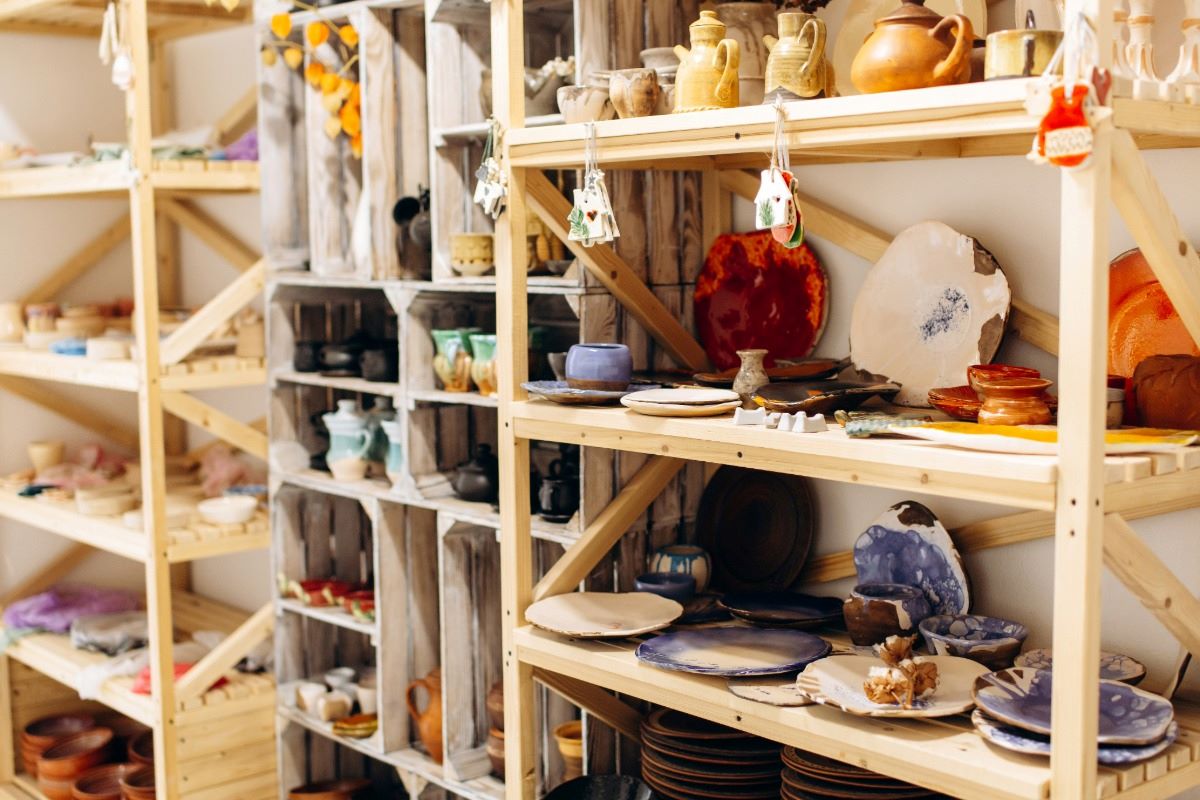
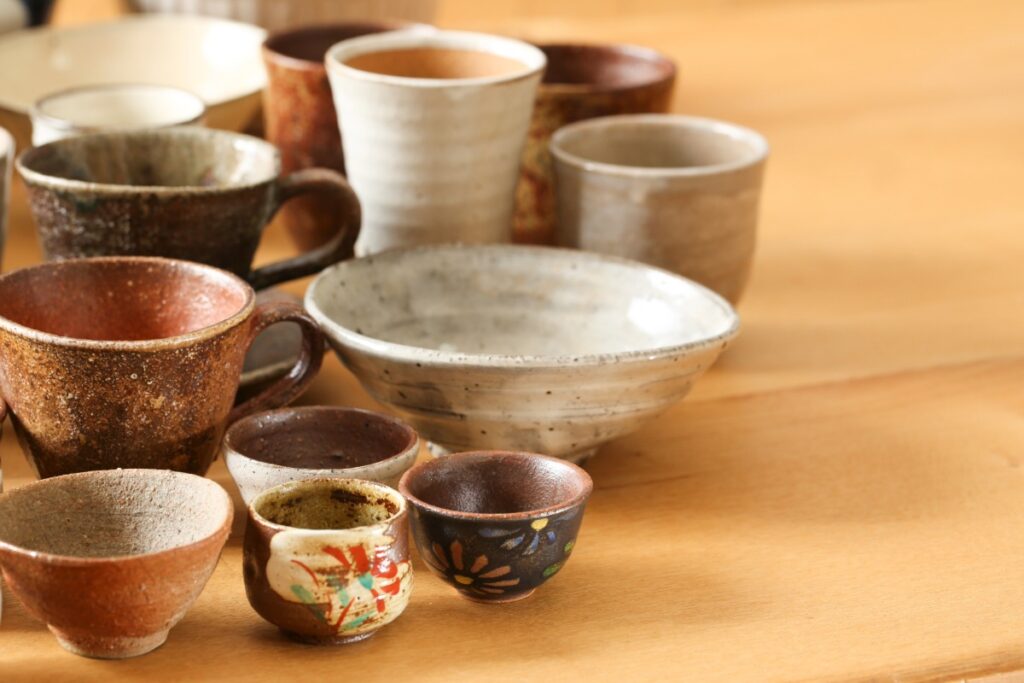
For a close friend or family member, a small handmade object is a lovely gesture: a ceramic chopstick rest (hashi-oki), a textile coaster, a bookmark, or a key holder. Keep it modest and functional so it doesn’t become unwanted clutter.
7. A Tenugui cloth
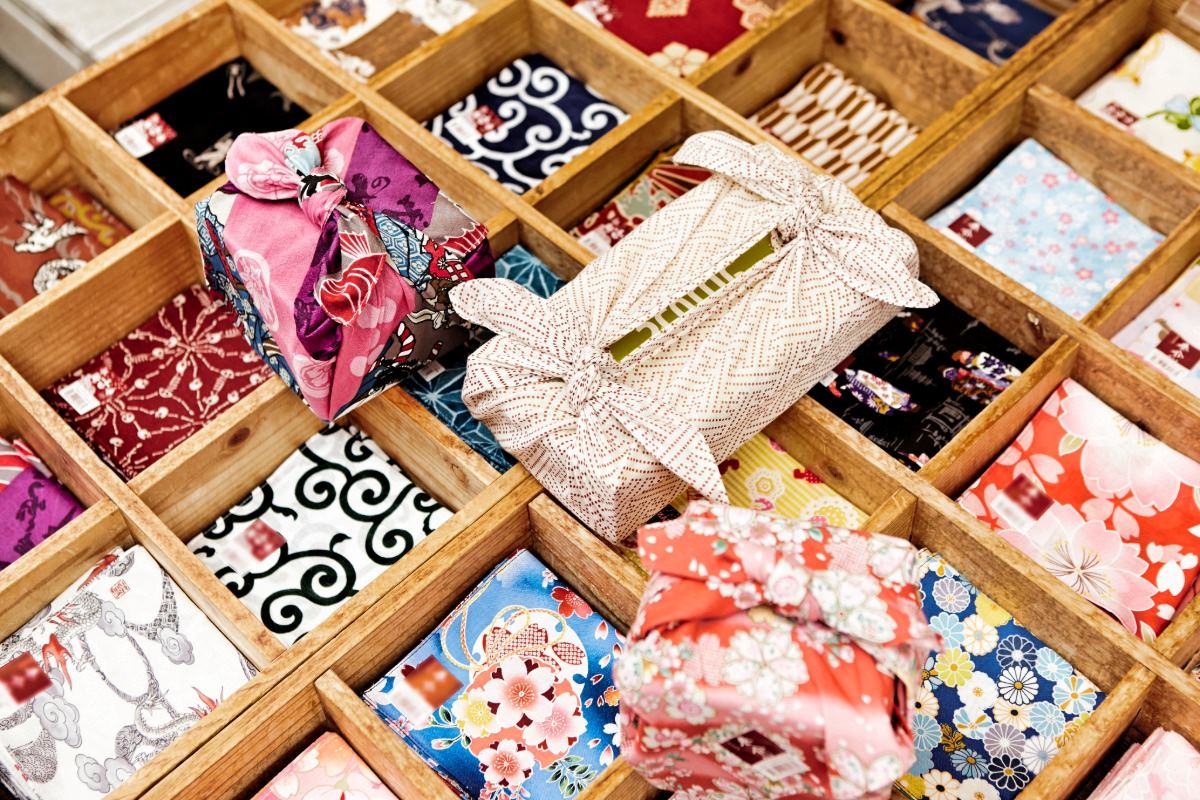
A tenugui is a thin, versatile cotton towel used as a hand towel, kitchen cloth, gift-wrapping accent, or decorative wall textile. Patterns often feature seasonal motifs or regional craft traditions, making it a light and useful non-food option.
8. Small stationery items
A locally illustrated notebook, custom washi tape, a postcard set, or fine writing paper can be a delightful gift for someone who appreciates design. Stick to items that feel intentional rather than generic souvenir trinkets.
9. A Regional spice blend or condiment
For a host who loves to cook, a regional spice mixture, yuzu kosho, artisan chili oil, or local specialty salt brings your trip straight into their kitchen. Ensure it is tightly sealed for travel.
10. A thoughtfully chosen postcard with a personal note
A postcard is never “too small” when it contains a heartfelt note. Pair it with a local tea sachet or a single sweet, and share one specific memory from your trip. For a close friend, that personal attention often matters more than an expensive item.
11. A small box of fresh wagashi
Traditional Japanese confections (wagashi) are deeply connected to seasonality, craftsmanship, and hospitality. They are a beautiful choice for a host or family visit. Purchase them close to your visit, as their fresh appeal is central to the gift.
12. Local artisan chocolate
Chocolate is universally appreciated and easy to pack. Seek out an independent regional maker, an unusual local flavor combination, or a small bar from a craft shop rather than a generic duty-free brand. Keep it protected from heat while traveling.
13. A miniature recipe booklet or regional food guide
For a close friend who loves cooking, a small bilingual food guide or recipe booklet creates a lasting connection to the destination. Pair it with one signature edible ingredient rather than turning the gift into a heavy bundle.
14. Hand cream or bath products from the region
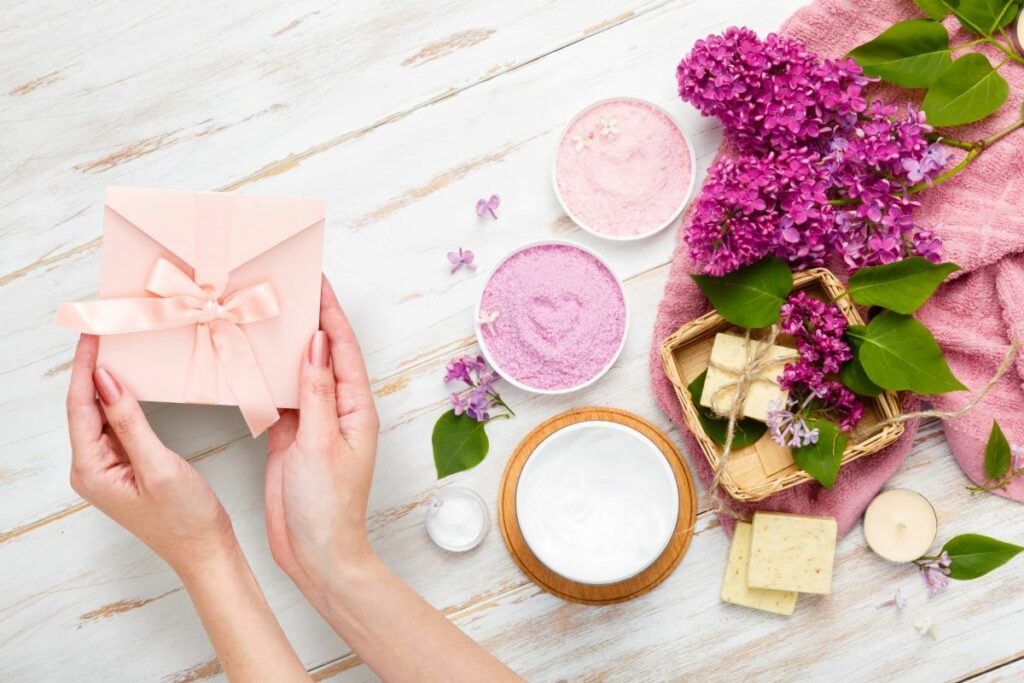
This works nicely for close friends, though it is more personal than food. Choose lightly scented, locally produced products, and avoid giving personal care items to an entire workplace team. The regional connection should feel authentic.
15. A small gift for children
When visiting family with kids, a small picture book, a simple puzzle, or a local sweet makes them feel included. Choose something age-appropriate and easy for parents to manage, a modest gesture is plenty, as omiyage is about thoughtful remembrance rather than excess.
Best Omiyage for Every Relationship: Etiquette and Ideas
For a host
Bring omiyage (or temiyage) when visiting someone’s home, especially for a meal or overnight stay. Great options include packaged desserts, seasonal fruit, premium tea, specialty coffee, or a local food product. Avoid gifts that require immediate preparation unless arranged in advance.
Useful tip: When handing over the gift, express your gratitude with a thoughtful phrase:
“Thank you so much for welcoming me into your home today. I brought a little specialty from [you destination] for us to enjoy.”
“I am so grateful for your warm hospitality. Here is a small gift from my trip.”
“Thank you for having me! I picked this up in [your destination] and thought of you.”
“Please accept this small token of appreciation for your kind invitation today.”
“Thank you for hosting me. I hope you enjoy this local treat from my travels.”
For close family and friends
You can take a more personal approach here. Match the gift to their specific interests, such as a regional tea for a tea lover, a handmade ceramic piece for a tableware enthusiast, or a unique spice for an avid home cook. Focus on a thoughtful connection rather than a high price tag.
Useful tip: Include a short note to show your appreciation. Here are five quick message ideas:
- “Please enjoy a taste of my trip. Thank you for covering for me while I was away!”
- “A small token from [your destination] to thank everyone for your support while I was away.”
- “Thank you all for your help while I was away! Please help yourself.”
- “I brought back a local specialty from [your destination] for the team. Enjoy!”
- “With sincere thanks for taking care of things in my absence. Please enjoy!”
For colleagues and workplaces
Choose an individually wrapped, edible gift for the group rather than separate items of varying value. Place it in a shared area with a simple note. Be sure to respect company policies, particularly in multinational offices.
Useful tip: Include a short note to show your appreciation. Here are five quick message ideas:
- “Please enjoy a taste of my trip. Thank you for covering for me while I was away!”
- “A small token from [your destination] to thank everyone for your support while I was away.”
- “Thank you all for your help while I was away! Please help yourself.”
- “I brought back a local specialty from [your destination] for the team. Enjoy!”
- “With sincere thanks for taking care of things in my absence. Please enjoy!”
For clients or professional contacts
Proceed with extra care, as many organizations enforce strict anti-bribery and compliance policies. A modest, shareable food gift for the entire team is usually the safest choice, but always confirm company guidelines first. Never use omiyage to influence a business decision or create obligation.
Useful tip: Keep business notes polished, professional, and free of obligation:
- “Thank you for your ongoing partnership. Please accept this small gift from [your destination] for your team.”
- “With our sincere thanks for your continued collaboration and support.”
- “In appreciation of our working relationship, we wanted to share a regional treat from our recent trip.”
- “Please enjoy these local treats as a small token of our gratitude for your team’s hard work.”
- “Thank you for your time and hospitality. We look forward to our continued work together.”
Useful tip: Helpful phrases to use when presenting your gift:
Polite / Formal (Workplaces & Hosts):
- “A small token from my trip to [Destination]—I hope you enjoy it.”
- “Please accept this small treat from my recent travels.”
- Japanese phrase: “Tsumaranai mono desu ga…” (Literally: “It’s just a modest thing, but please accept it.”)
Casual / Warm (Friends & Family):
- “I brought back a little taste of [Destination] for you!”
- “I saw this while traveling and immediately thought of you.”
- Japanese phrase: “Sukuroshi desu ga, dozo.” (Literally: “It’s just a little something, but please enjoy.”)