How to Make Africa’s Best-Kept Beauty Treatments at Home: 10 DIY Recipes

Africa s Best-Kept Beauty Treatments at Home 10 DIY Recipes
Share:

Some of the links on this blog may be affiliate links. This means that if you make a purchase through these links, we may earn a small commission at no additional cost to you. We are a participant in the Amazon Services LLC Associates Program, an affiliate advertasing program designed to provide a means for us to earn advertising fees by linking to Amazon.com and affiliate websites.

The African Continent Has Always Been Known for What Wellness Really Means

Long before wellness transformed into a billion-dollar industry featuring green powders and cryotherapy chambers, Africa had already discovered its true essence. Not through technology or optimization but through an intimate, multigenerational relationship with the plants, soils, and traditions of the world’s most biodiverse continent.

Here’s something worth thinking about: many of the ingredients now commanding premium prices in Western beauty products, such as shea butter, argan oil, marula oil, and baobab, have been used by African women for centuries. Not as luxury items. These ingredients were used as ordinary, everyday care, passed down from mother to daughter with the same naturalness as a recipe for dinner.

This article takes you to the source. Each of the ten African natural remedies below comes with a specific country and culture, the story behind it, and a concrete DIY recipe you can make at home. No exotic spa booking required.

Table of Contents

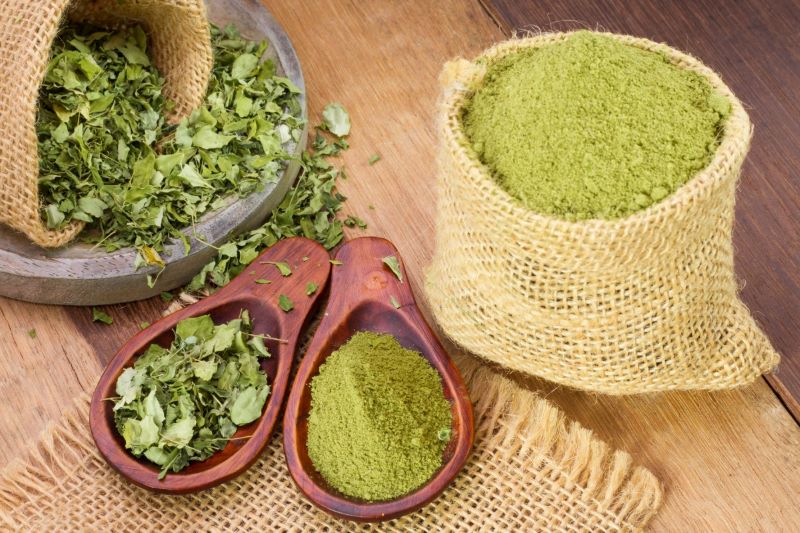
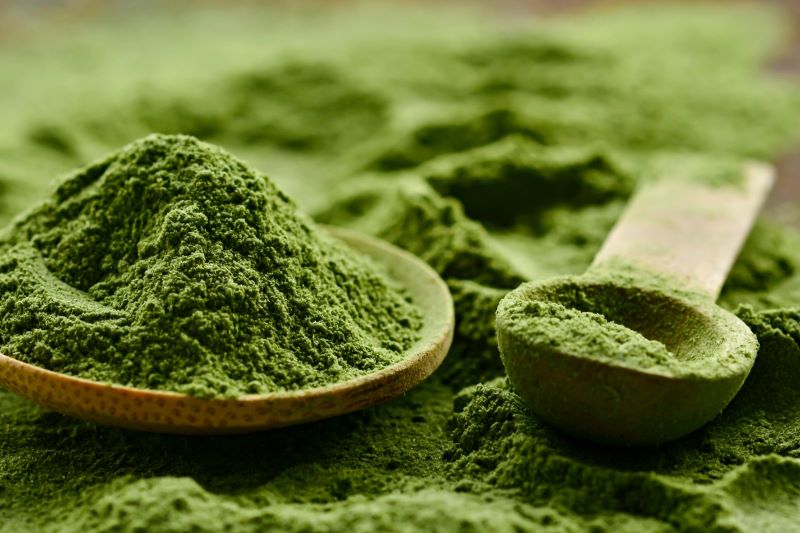
moringa oleifera called the Miracle Tree,
Source: Adobe Stock

🌍 East Africa & West Africa — Nigeria, Ethiopia, Senegal

Why is moringa oleifera called the "Miracle Tree," and how do you use it?

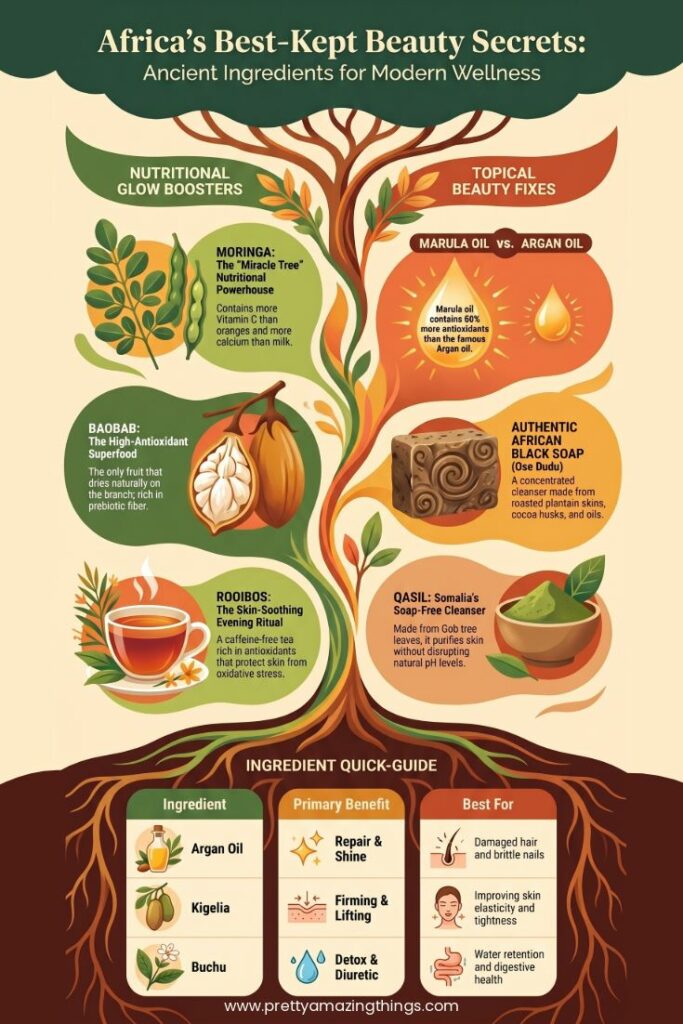
If there is a plant that deserves the title of a superhero in the natural world, it is undoubtedly Moringa oleifera. Often called the “Tree of Life” or the “Miracle Tree,” it originates from East Africa where it has been used for thousands of years for its nutritional and medicinal properties.

Called zogale in Hausa (northern Nigeria) and shiferaw in Amharic (Ethiopia), it is one of the most nutritionally complete plants on earth. Gram for gram, moringa powder contains more vitamin C than oranges, more calcium than milk, more potassium than bananas, and more iron than spinach. It is a complete protein rare for a plant, making it one of the most important foods in regions where animal protein is scarce.

🌿 How to use moringa in your daily skincare routine?

In skincare, moringa seed oil is a luxury ingredient that deeply moisturizes without clogging pores. Its high oleic acid content makes it particularly effective for dry, dull, or aging skin — and it absorbs beautifully, leaving no grease.

Your Daily Glow: The Energizing Moringa Green Smoothie

This recipe is is adapted from the traditional Senegalese practice of adding moringa leaf powder to morning drinks. This practice that has sustained communities through droughts and nutritional scarcity for generations.

Ingredients:

  • 1 banana (frozen for a creamy texture)
  • 1 large handful of fresh spinach
  • 1 teaspoon of powdered Moringa oleifera
  • 1 tablespoon of nut butter
  • 200 ml plant-based milk or water

Preparation: Place all ingredients in a blender and mix on high speed until smooth. Drink immediately for an instant energy surge. Drink this four mornings a week for two weeks and notice the difference in your energy levels.

DIY: Moringa Brightening Face Mask

Ingredients:

  • 1 tsp moringa powder
  • 1 tsp raw honey
  • ½ tsp plain yogurt

Preparation: Mix everything into a smooth paste. Apply to clean skin and leave for 15 minutes. Rinse with warm water. The anti-inflammatory and antioxidant compounds in moringa visibly reduce redness and restore a healthy glow, especially effective for tired or stressed skin.

Source: Adobe Stock

🌍 South Africa — Cederberg Mountains, Western Cape

What are the benefits of rooibos tea and why should you drink it before bed?

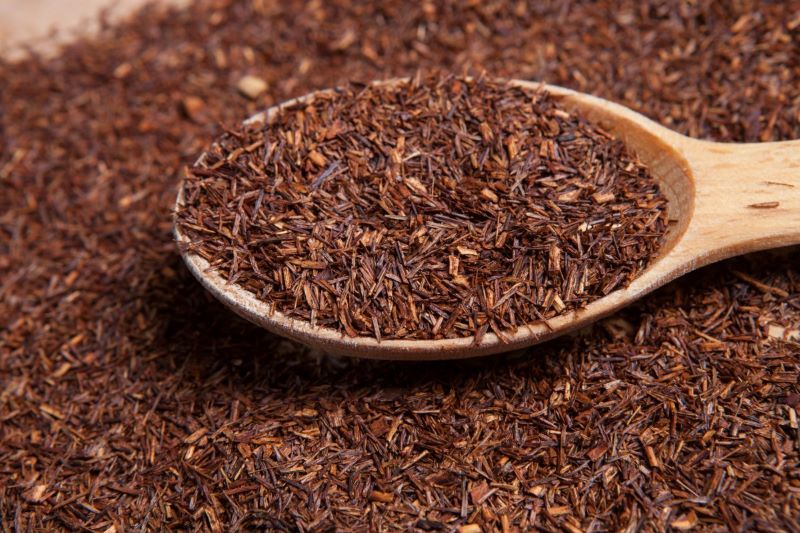
Rooibos comes from the Cederberg Mountains in South Africa. The locals call it the “red bush” because of the deep amber color it gets once it’s ready to brew. It has this naturally sweet, honey-like taste with a hint of toasted nuts that feels like a treat even without sugar. Since it’s 100% caffeine-free, it’s the perfect late-night ritual for when you want to unwind without the 2 AM jitters.

🌿 What makes Rooibos so good for your skin and overall health?

Rooibos is much more than just a tea to enjoy throughout the day. It is a powerful source of unique antioxidants like aspalathin and quercetin, found in no other plant on earth. These compounds have been shown in research to regulate blood sugar, reduce inflammation, and protect skin cells from oxidative stress. For anyone dealing with sensitive skin, rosacea, or general redness, rooibos is one of the most effective and gentle topical ingredients available.

Why is Rooibos the perfect caffeine-free drink in the evening?

Because it is naturally caffeine-free, Rooibos is the ideal drink for evening relaxation. It helps you wind down after a difficult day and facilitates deeper sleep without irritating the stomach. Its soothing properties also make it an excellent choice for those with sensitive digestive systems. In African tradition, it was even given to infants to soothe colic.

DIY Rooibos Infusion Face Toner for Radiant Skin

This easy-to-make toner harnesses the anti-inflammatory and antioxidant properties of rooibos to refresh and soothe the skin.

Ingredients:

  • 2 bags of organic rooibos tea or 2 teaspoons of dried herb
  • 1 cup of hot, but not boiling, water (approx. 250 ml)
  • Optional: 1 teaspoon of lemon juice (for oily skin) or 1 teaspoon of vegetable glycerin (for dry skin)

Preparation: 

  1. Steep the rooibos tea in hot water and allow to cool completely.
  2. Remove the tea bags or strain the herb.
  3. Add lemon juice or glycerin (if using) and mix thoroughly.
  4. Pour the toner into a clean spray bottle.
  5. Store in the refrigerator for up to 7 days.

Application: Use in the morning and evening on cleansed facial skin.
Source: Adobe Stock

🌍 South Africa — Western Cape

Buchu — The Khoisan Healing Plant That Detoxifies Everything

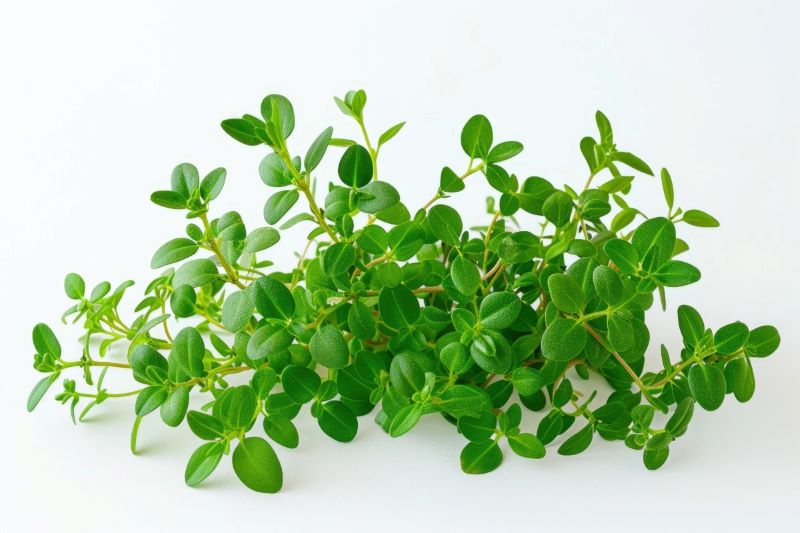
Buchu is a small, intensely aromatic shrub that grows in the fynbos of South Africa’s Western Cape. It smells unlike anything else, a striking combination of blackcurrant, mint, and something distinctly medicinal that the Khoisan people, who have used it for over three centuries, recognized immediately as powerful.

🌿 Why is Buchu tea the best African secret for body detoxification?

The Khoisan used buchu as a digestive remedy, an anti-inflammatory, a wound treatment, and a ritual cleansing agent. Dutch settlers learned about it in the 17th century and began exporting it to Europe as a patent medicine. Today, it is used primarily as a diuretic and urinary tract anti-inflammatory. It’s one of the most effective natural treatments for water retention and UTIs, with strong clinical backing.

DIY: Buchu Tea

Drinking buchu tea after exercise, heavy travel, or a particularly rich meal has an almost immediate effect on how light and clear you feel.

Ingredients:

  • 1 tsp dried buchu leaves (available from South African herbal suppliers)
  • 250ml freshly boiled water
  • Optional: a slice of lemon and a small piece of ginger

Preparation: Steep for 5–7 minutes. Do not over-steep ebcaue the flavour becomes very strong. Strain and drink warm. The taste is distinctive and herbal, not unpleasant, with a cooling finish. Limit to 1–2 cups daily. Not recommended during pregnancy.

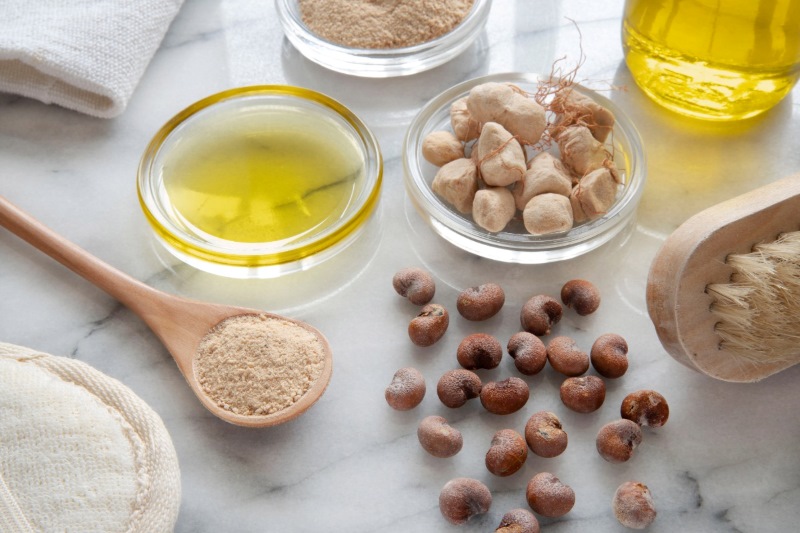
baobab fruit, seed and oil
Source: Adobe Stock

🌍 East, West & Southern Africa — Tanzania, Senegal, Zimbabwe

Why are baobab fruit and oil considered the "superfood of the future"?

The baobab is one of the most otherworldly trees on earth. In the dry savannas of Tanzania, Senegal, and Zimbabwe, it can live for over a thousand years, its massive, smooth trunk storing thousands of litres of water. It has been called the Tree of Life because in harsh, dry seasons, it provides food, water, and shelter when nothing else does.

🌿 What Makes Baobab Fruit So Unique?

Baobab fruit is the only fruit in the world that dries naturally on the branch. Baobab powder contains six times more vitamin C than oranges, more calcium than milk, and is one of the richest plant sources of prebiotic fibre. It directly feeds the beneficial bacteria in your gut that produce serotonin and regulate mood. It is also one of the highest-antioxidant foods ever tested.

DIY: Baobab Vitamin C Morning Drink

This easy-to-make toner harnesses the anti-inflammatory and antioxidant properties of rooibos to refresh and soothe the skin.

Ingredients:

  • 1 tbsp baobab powder
  • 250ml cold water or coconut water
  • Juice of half a lime
  • 1 tsp honey
  • Optional: a few fresh mint leaves

Preparation: 

Simply whisk or shake together until dissolved. Drink on an empty stomach. The flavour is tart and citrusy similar to sherbet. For skin, take this consistently for 4–6 weeks. Vitamin C is the rate-limiting nutrient for collagen synthesis, and baobab is one of the most bioavailable sources of it.

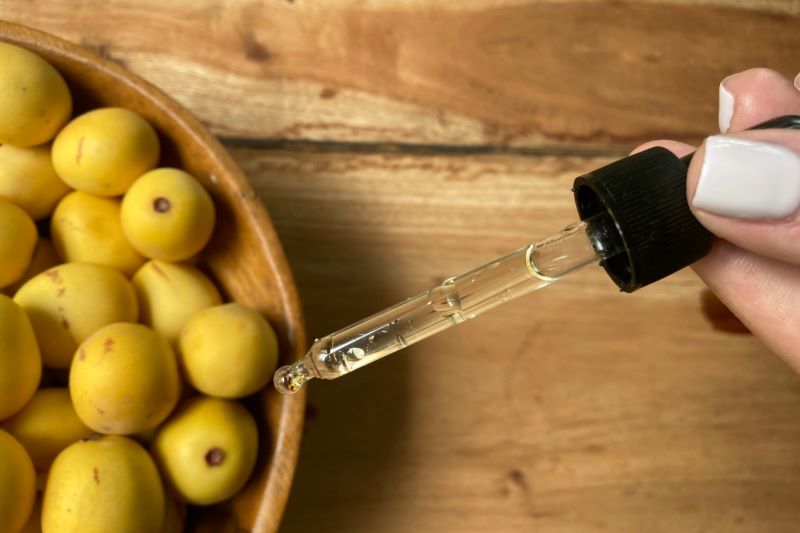
marula oil
Source: Adobe Stock

🌍 Southern Africa — South Africa, Namibia, Mozambique, Swaziland

How does marula oil protect your skin from oxidative stress?

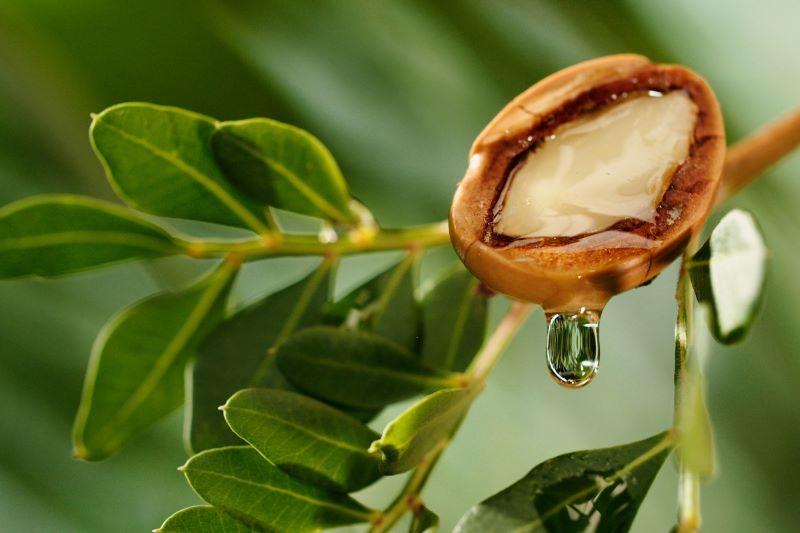
Originating from Southern Africa, Marula oil is a favorite among premium lifestyle brands. Extracted from the kernels of the Marula tree fruit, it is incredibly lightweight yet powerful in its action.

Marula oil contains 60% more antioxidants than the famous Argan oil. It is rich in Omega-9 fatty acids that penetrate deep into the skin. This results in a satin finish and protection against environmental pollution. It is the ultimate “glow” secret for tired complexions.

🌿 How to Use Marula Oil?

Marula oil works best as a final step in your evening skincare routine. After cleansing and any serums, press 3–4 drops between your palms and apply to face and neck with gentle upward strokes. You can also add 2–3 drops to your daily moisturiser to boost its efficacy. Look for cold-pressed, unrefined marula oil from Southern African suppliers the quality difference is significant.

Source: Adobe Stock

🌍 West Africa — Ghana, Nigeria, Benin

African black soap — The cleanser that replaces your entire bathroom shelf

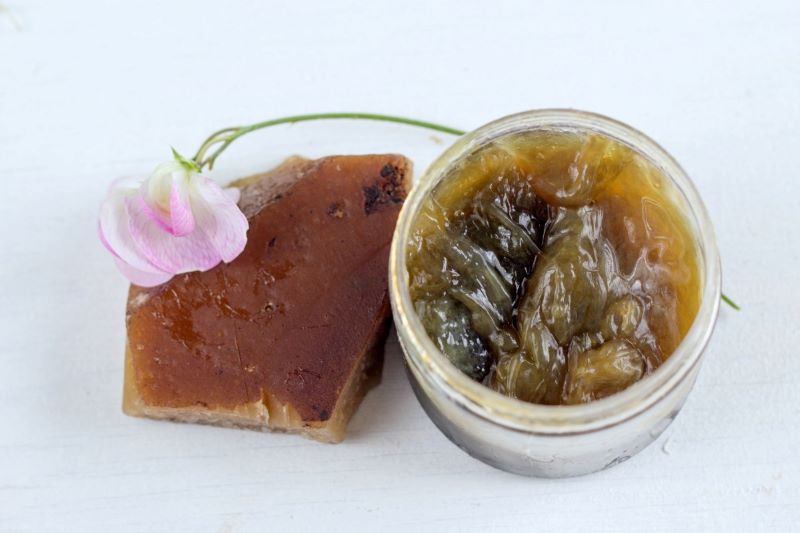
Real African black soap known as ose dudu in Yoruba (Nigeria) or alata samina in Twi (Ghana) is not the uniform brown bar sold under that name in most Western shops. Authentic black soap is dark, slightly irregular in shape, and smells of roasted plantain and earth. It is made by burning plantain skins or cocoa pod husks to ash, then combining that ash with palm kernel oil, shea butter, and coconut oil, a process that requires skill, time, and knowledge passed between generations.

🌿 How to Use Black Soap Without Irritation

True black soap is more concentrated than commercial products. The key is to never apply it directly to your face instead, work a small piece into lather between your palms first, then apply the lather to damp skin. Start with every other day. It can cause initial purging (temporary breakouts as clogged pores clear). This is normal and passes within two weeks. Always follow with a moisturizer.

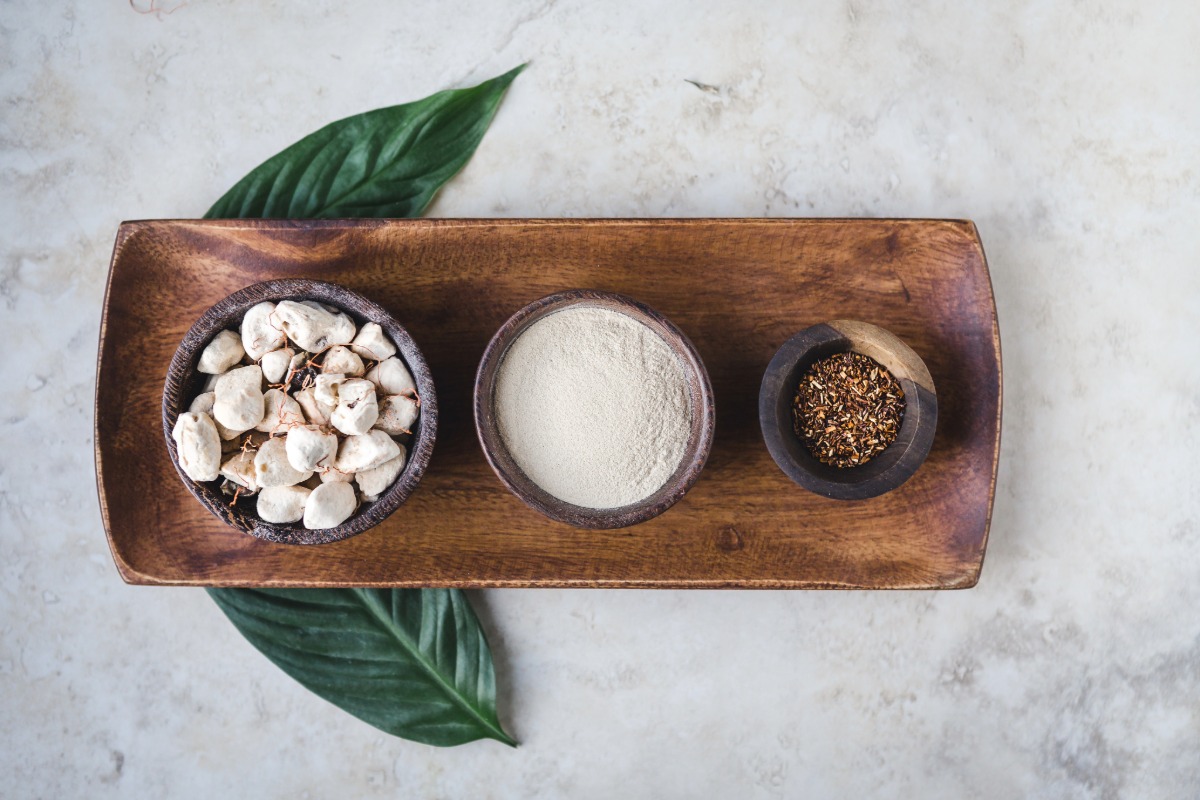
qasil powder
Source: Adobe Stock

🌍 Somalia — Horn of Africa

Qasil — Somalia's Ancient Skincare Secret the World Is Just Discovering

Qasil is made from the leaves of the Gob tree growing in Somalia. Somali women have used it for centuries as a natural cleanser that lathers when mixed with water.

It is a completely soap-free alternative to shampoos and body washes. It does not disrupt the skin’s pH and possesses strong antibacterial properties. You can mix a tablespoon of powder with water to create a purifying face mask or a detoxifying scalp treatment.

🌿 How to Use Qasil?

Qasil also has documented antibacterial and anti-inflammatory properties. Somali women traditionally mix it with raw honey and sometimes camel milk (rich in lanolin-like proteins) to create face masks for problem skin. The combination is surprisingly sophisticated from a dermatological standpoint — each ingredient addressing a different aspect of skin health.

DIY: Qasil Clarifying Face Mask

This easy-to-make toner harnesses the anti-inflammatory and antioxidant properties of rooibos to refresh and soothe the skin.

Ingredients:

  • 1 tbsp qasil powder (available from Somali beauty suppliers and increasingly on Etsy)
  • 1 tsp raw honey
  • Enough warm water to form a paste (approximately 1–2 tsp)
  • Optional: 1 tsp plain yogurt for sensitive skin

Preparation: 

Mix into a smooth paste. Apply to clean, damp skin. Leave for 10–12 minutes — no longer, as the gentle exfoliation becomes more intense with extended contact. Rinse with warm water and follow with a light moisturizer. Use once or twice a week. Particularly effective for oily and acne-prone skin.

argan oil tree nut
Source: Adobe Stock

🌍 Morocco — Souss-Massa region, Anti-Atlas Mountains

Argan Oil — Liquid Gold From the Berber Women of Morocco

Argan oil needs little introduction it has been a Western beauty staple for over a decade. But most people don’t know the full story. The argan tree grows only in a small region of southwestern Morocco, in a biosphere reserve between the Atlas Mountains and the Sahara. The oil is extracted from the kernels inside the argan fruit’s hard nut a process so labor-intensive that it takes approximately 15 hours of hand-cracking and pressing to produce one liter of oil.

🌿 How does argan oil repair damaged hair?

For hair, argan oil is genuinely unmatched. It contains extremely high vitamin E up to 620mg per 100g which makes it the most effective natural treatment for split ends, brittle nails, and damaged, color-treated hair. For skin, it regulates sebum production (paradoxically useful for oily skin), reduces inflammation, and provides antioxidant protection against sun damage.

How to Use Argan Oil for Maximum Effect

For hair: apply 4–6 drops to dry ends before bed — not to the roots. Wash out in the morning. Do this three times a week for a month and the difference in your hair’s texture will be unmistakable.

For skin: 2–3 drops pressed into clean skin morning and evening as a serum step. For nails: massage a drop into each cuticle before bed, wearing thin cotton gloves overnight if possible.

Kigelia Africana
Source: Adobe Stock

🌍 Sub-Saharan Africa — Zimbabwe, Kenya, Uganda, Tanzania

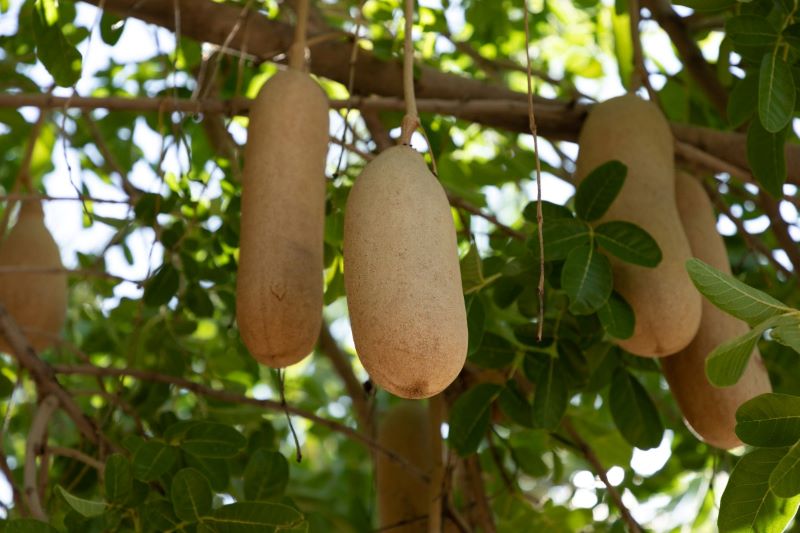
Kigelia Africana — The 'Sausage Tree' With Extraordinary Firming Powers

The Kigelia africana tree produces what are arguably the most unusual fruits in the world: enormous, gray, sausage-shaped pods up to 60cm long, hanging from flexible stalks. In Zimbabwe and Kenya, women have long used extracts from these pods to treat skin conditions, tighten and firm the skin, and reduce the appearance of stretch marks, particularly after pregnancy.

🌿 How does “Sausage Fruit” (Kigelia Africana) improve skin firmness?

Kigelia extract contains flavonoids and steroidal saponins that measurably improve skin elasticity and firmness the same effect that premium anti-aging products attempt to achieve with synthetic compounds. Several luxury skincare brands now use kigelia as a key active ingredient in lifting and firming products, rarely mentioning where the knowledge came from.

How to Find and Use Kigelia?

Pure kigelia extract is increasingly available from natural cosmetics suppliers online. Look for it in serums or face oils formulated for the neck, décolleté, and jaw area, the regions where loss of firmness is most visible. You can also find kigelia-infused body butters from African artisan producers on platforms like Etsy. When used consistently over 8–12 weeks, the firming effects are genuinely noticeable.

Gift Guide: Build Your Own African Wellness Gift Set

These are the combinations that make the most sense as gifts — each one tells a story, comes from a specific tradition, and gives the recipient something genuinely useful and beautiful.

The West African Skin Ritual Set:

Everything needed for a complete, traditional Ghanaian cleansing and moisturizing routine.

  • Unrefined shea butter
  • African black soap
  • A linen washcloth

The South African Evening Ritual:

For the person who needs to slow down at the end of the day.

  • Rooibos loose leaf
  • A beautiful ceramic infuser mug
  • Buchu tea
  • Asmall bottle of marula oil

The Morning Energy Kit:

  • Moringa powder
  • Baobab powder
  • A good quality blender bottle
  • Vitamin C

The Skin Glow Set:

A genuinely sophisticated natural skincare routine from three different African traditions.

  • Cold-pressed marula oil
  • Kigelia firming serum
  • Qasil powder

The Hair Rescue Set:

Three ingredients that together address every common hair concern, from dryness to breakage to scalp health.

  • Argan oil
  • Shea butter
  • Black soap

The Traveller Box:

One of each ingredient in small quantities, with a handwritten card explaining each country of origin and how to use it. For someone who loves discovering new things.

Quick Comparison Table: Which African Treasure is Right for You?

Ingredient Primary Benefit Best For Usage Tip
MoringaEnergy & NutritionActive LifestylesAdd to morning smoothies
RooibosRelaxation & Anti-agingSensitive SkinDrink before sleep
Shea ButterDeep RegenerationVery Dry SkinUse as a night mask
BaobabVitamin C & Gut HealthDull ComplexionMix with water or juice
Marula OilAntioxidant ProtectionAging SkinApply as a face serum
Black SoapDeep CleansingAcne-Prone SkinUse with a soft cloth
QasilGentle PurificationNatural Hair/SkinMix into a paste
Argan OilRepair & ShineDamaged HairRub into hair ends
KigeliaFirming & LiftingLoss of ElasticityApply to neck/chest
BuchuDetox & DiureticWater RetentionBrew as a warm tea