14 Great Japanese Housewarming Gifts (and 5 Faux Pas to Avoid)

Share:

Some of the links on this blog may be affiliate links. This means that if you make a purchase through these links, we may earn a small commission at no additional cost to you. We are a participant in the Amazon Services LLC Associates Program, an affiliate advertasing program designed to provide a means for us to earn advertising fees by linking to Amazon.com and affiliate websites.

Your friend got the keys, the boxes are stacked in the hallway, and the invitation says come see the new place on Saturday. Lovely. Now, what exactly are you carrying through that door?

If the new home belongs to a Japanese friend, the family of a Japanese partner, or anyone who simply loves the culture, the answer comes with a script.

The best gifts for a Japanese new home are small, practical and wrapped with care, and the wrong choices are surprisingly specific. This guide gives you ten gifts that always land, five faux pas that haunt first time visitors, and honest answers to the questions everyone asks before knocking on a Japanese door.

Table of Contents

Do You Bring a Gift When Visiting a Japanese Home?

Yes. Always something. The custom is called temiyage, the gift you carry when you visit someone’s home, and for a first visit to a new place it works like a law of nature. Nobody will scold you for arriving empty handed, but they will remember, softly, forever.

The good news is that the script is short. Arrive with a modest gift, hand it over at the entrance with both hands, say something self deflating and warm, and then let it disappear into another room unopened. More on that choreography below, because it is where foreigners shine or stumble.

Source: Adobe Stock

Temiyage vs omiyage vs zōtō

Japanese slices gift giving into neat categories.

  • Omiyage is the souvenir you bring back from a trip.
  • Zōtō is the formal ceremonial gift, think weddings and year end obligations.
  • Temiyage is the house visit gift, the hero of this article, and it should be useful or edible, easy to share, and easy on the wallet.

Outside Japan nobody grades your vocabulary. Inside a Japanese home, the word alone buys you goodwill.

How much should you spend on a housewarming gift in Japan?

The sweet spot is 2,000 to 5,000 yen, roughly 15 to 35 dollars. Close family or a first real house after years of saving can justify 5,000 to 10,000 yen. Beyond that, warmth turns into awkwardness, because Japan remembers gifts and eventually answers them in kind. Gift giving in Japan is a language of moderation, and generosity spoken too loudly creates homework for your host.

14 Great Japanese Housewarming Gifts That Never Fail

Choosing a Japanese housewarming gift gets easy once you accept the local logic: consumables beat decorations, quality beats size, and usefulness is a love language. Here are ten ideas that follow it.

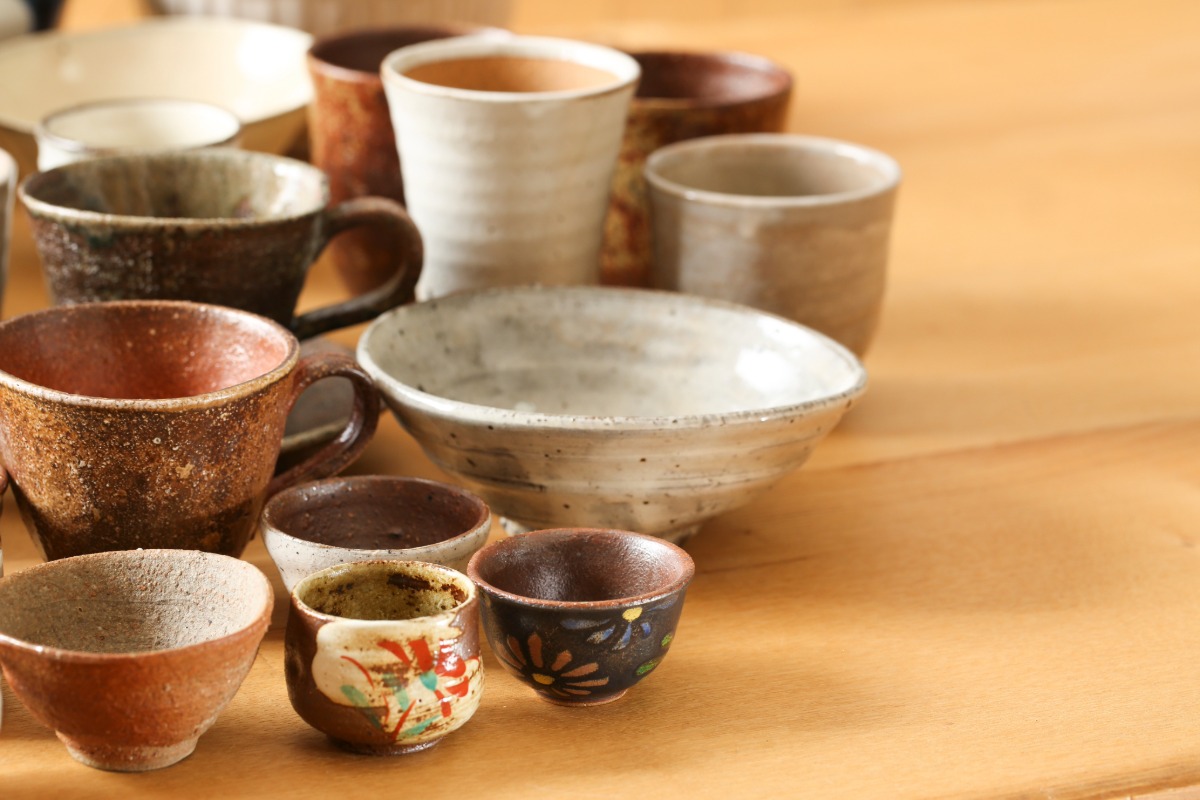
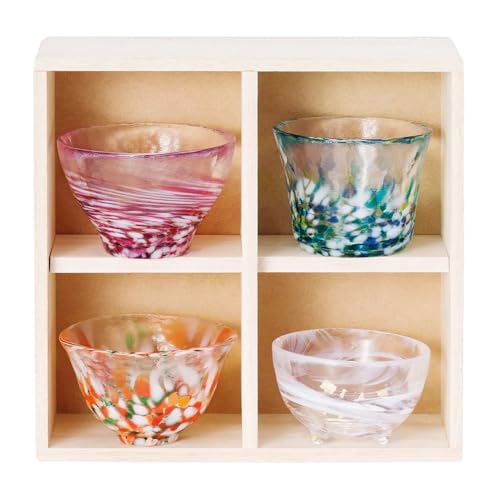
Japanese drinkware and sake set 

For anyone who drinks, a sake set is a fantastic Japanese housewarming gift because it comes with its cozy little ritual. A ceramic tokkuri flask plus two small ochoko cups turns any Tuesday dinner into Kanpai O’Clock (a Japanese expression for “cheers” or “bottoms up”). Just make sure to get a two-cup set. Four-cup sets are a total bad-luck faux pas in Japan.

Shopping advice:

Everyday stoneware or porcelain sets start around $30 and can go right in the dishwasher. If you want a special-occasion gift that lasts for generations, choose hand-cut Edo kiriko glass instead. Edo kiriko is a traditional craft from Tokyo dating back to the 1800s, where master artisans hand-carve intricate geometric patterns directly into colored glass. As light hits the deep cuts, it creates a gorgeous, shimmering effect that turns a simple drink into a real experience.

Japanese Handcrafted Glass Sake Cups Set
Why We Love It:
  • Handcrafted by master glassmakers in Aomori, Japan
  • Features unique, colorful patterns with impressive light refraction
  • Perfect portiona size designed specifically for cold sake
IT'S MY GIFT!

Traditional pajamas, the Jinbei 

What is a jinbei? Japan’s answer to humid summers and the art of being comfortable at home: a loose, two-piece cotton set with a side-tying top and matching shorts. Gift one to a friend who just got keys and you are quietly saying: may this new place feel like a permanent staycation. Look for 100% cotton and made in Japan, since many listings are jinbei shaped but secretly polyester and sweaty.v

Japanese Style Kimono Pajamas
Why We Love It:
  • Made from lightweight, skin-friendly cotton gauze for maximum sleeping and lounging comfort
  • Kimono-style cut prevents sleeves from dragging or getting in the way during daily house tasks
  • Features a side pocket for small items and an adjustable tie waist for a personalized fit
IT'S MY GIFT!

A premium towel set 

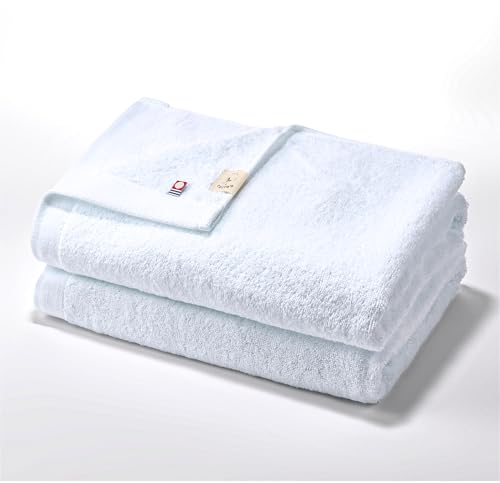
Imabari towels from Ehime are Japan’s gold standard, certified for absorbency and famous for getting softer with age. Good towels are the thing people never buy for themselves and then use daily, which is the exact definition of a perfect housewarming present.

Imabari Luxury Bath Towels - Made in Japan
Why We Love It:
  • Made in Japan’s premier towel-making region with strict standards
  • Engineered for maximum water absorption and fast drying
  • Soft, long-lasting fabric ideal for daily home use
IT'S MY GIFT!

A matcha starter set

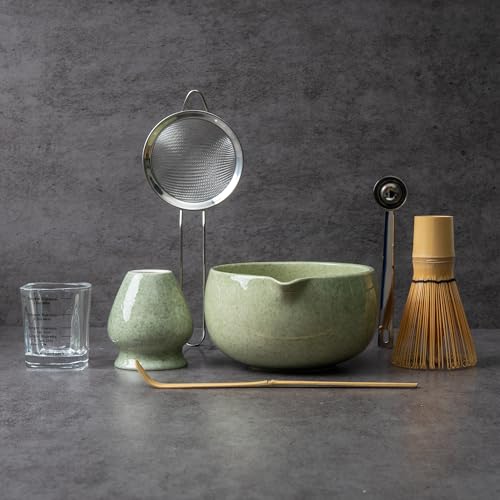
A matcha set is the ultimate Japanese housewarming gift for anyone who appreciates slow mornings and great tea. A proper starter kit includes a bamboo whisk (chasen), a wide ceramic bowl (chawan), a bamboo scoop, and a small tin of ceremonial-grade powder, which makes the difference between a bright, velvety green cup and a sad, khaki latte. Sixty seconds of whisking later, your friend can enjoy an authentic Japanese tea break right in their new space.

All-in-One Matcha Tea Set
Why We Love It:
  • Includes a spouted ceramic bowl, handmade bamboo whisk (chasen), bamboo scoop, holder, strainer, and measuring tools
  • Thoughtfully built with an eagle-beak spout for smooth, precise pouring without drips
  • Made from 100% natural, handmade bamboo and a non-toxic, lead-free glaze
IT'S MY GIFT!

A kitchen upgrade box 

High grade sesame oil, aged soy sauce, good rice vinegar or a set of artisanal salts, in glass bottles and a real gift box. Japanese department stores sell entire walls of these, because a new household burns through supplies and a stocked kitchen says I want your daily life to go well.

Premium Japanese Somen Gift Box Set
Why We Love It:
  • Authentic Japanese ingredients made from high-grade local wheat, kudzu, and sweet potato starches
  • Rich soup base with savory grilled sweetfish, bonito, and kelp broth
  • Includes 18 somen bundles plus traditional dipping sauce (mentsuyu)
IT'S MY GIFT!

A bath or hand soap set 

Daily luxury, impossible to get wrong. Go for hinoki cypress or yuzu if you know their taste, unscented if you do not. A beautifully boxed soap set is also the safest option when you barely know the hosts.

Natural Shampoo Bar with Yuzu and Hinoki Scent
Why We Love It:
  • Vegan, plant-based ingredients free from sulfates, parabens, and silicones
  • Includes rice protein, Vitamin B5, and organic seed butter rebuild hair while locking in moisture
IT'S MY GIFT!

A Japanese Brass or Cast-Iron Wind Chime (Fūrin) 

Made from traditional metals like Nambu cast iron or Takaoka brass, a fūrin produces a clear, gentle chime designed to evoke a refreshing breeze. It serves as a subtle home accent for a balcony, garden, or entryway, bringing a tranquil, artistic element to a new living space. In Japanese tradition, a wind chime is a deeply thoughtful housewarming gift: its clear tone is believed to ward off bad energy, welcoming good fortune, peace, and a fresh start into a new home.

Cast Iron Japanese Wind Chime (Fūrin)
Why We Love It:
  • Produces a crisp, soothing chime that creates a calming and tranquil atmosphere
  • Features a Mount Fuji silhouette and traditional paper pendant for a refined look
  • Sized perfectly to enhance a garden patio, balcony, entryway, or indoor window sill
IT'S MY GIFT!

Japanese tableware 

Tableware is a classic Japanese housewarming gift, especially when given in pairs. Matching rice bowls, side plates, or meoto-bashi (married-couple chopsticks in two distinct lengths) carry the quiet wish that the household eats together for years. Plus, a good handcrafted bowl adds that warm wabi-sabi charm to everyday meals.

Shopping advice:

Stick to pairs or sets of five, as those are considered lucky numbers in Japan. Avoid four-piece sets at all costs, since the number four carries bad luck. Different regions also bring their own style: rustic Mino ware is perfect for everyday meals, crisp white Arita porcelain feels a bit more refined.

Edo Style Handmade Japanese Crystal Glasses
Why We Love It:
  • Genuine Edo-style glass individually cut and polished by artisans
  • Deep diamond cuts catch light and highlight rich spirit colors
  • Perfect capacity for bourbon, scotch, or cocktails on the rocks
IT'S MY GIFT!

Top grade rice or rice cooker

A couple of kilograms of premium koshihikari in a gift bag is deeply traditional and genuinely appreciated. Rice in Japan is not a commodity, it is a category with terroir and rankings, and gifting the good stuff reads as fluent. Department stores sell single variety gift sets with tasting notes, the wine logic applied to rice, and your sushi loving friend will genuinely nerd out. The bag also weighs enough to communicate effort.

Japanese Fuzzy Logic Rice Cooker
Why We Love It:
  • Microcomputer sensors automatically adjust time and heat for evenly cooked, fluffy rice
  • Effortlessly cooks white, brown, and multi-grain rice, oats, or steamed vegetables
  • Holds 6 uncooked cups, includes a nonstick pot, and features a 15-hour keep-warm setting
IT'S MY GIFT!

Something delicious from your own region 

A jar of your local honey, a box of your city’s best chocolate, small batch anything from your hometown. Temiyage doubles as a conversation starter, and a taste of where you come from gives the whole evening a topic. Among the most charming ideas on this entire list is something Japan cannot make.

Japanese Sakura Mochi Candy - Traditional Cherry Blossom Rice Cakes
Why We Love It:
  • Soft, traditional Japanese rice cakes gently infused with subtle cherry blossom taste
  • Conveniently packaged to maintain freshness, making them easy to share or serve
  • Made with premium glutinous rice flour for a smooth, tender bite
IT'S MY GIFT!

An easy-care houseplant 

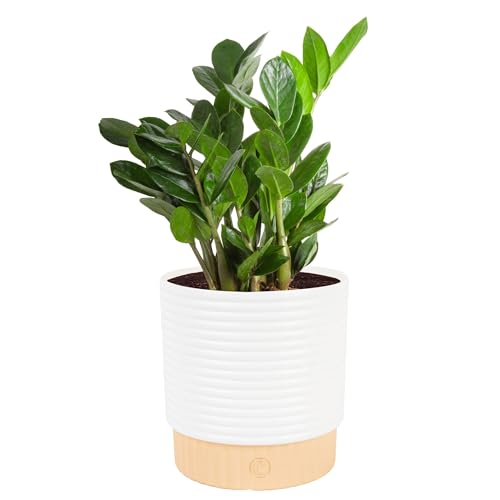
Can you give a plant as a housewarming gift in Japan? Absolutely. The famous taboo against potted plants applies to hospital visits, where roots symbolize illness taking hold. In a new home, roots mean the exact opposite. They represent stability and settling down. Just pick something resilient like a ZZ plant or a pothos, and skip anything thorny or high-maintenance.

Indoor Air Purifying ZZ Plant
Why We Love It:
  • Extremely resilient and requires minimal watering, making it ideal for beginners
  • Glossy, upright leaves bring a clean, minimalist look to any room or office space
  • Ships directly from the grower in custom packaging so it arrives in great condition
IT'S MY GIFT!

Good sake or a thoughtful bottle of wine 

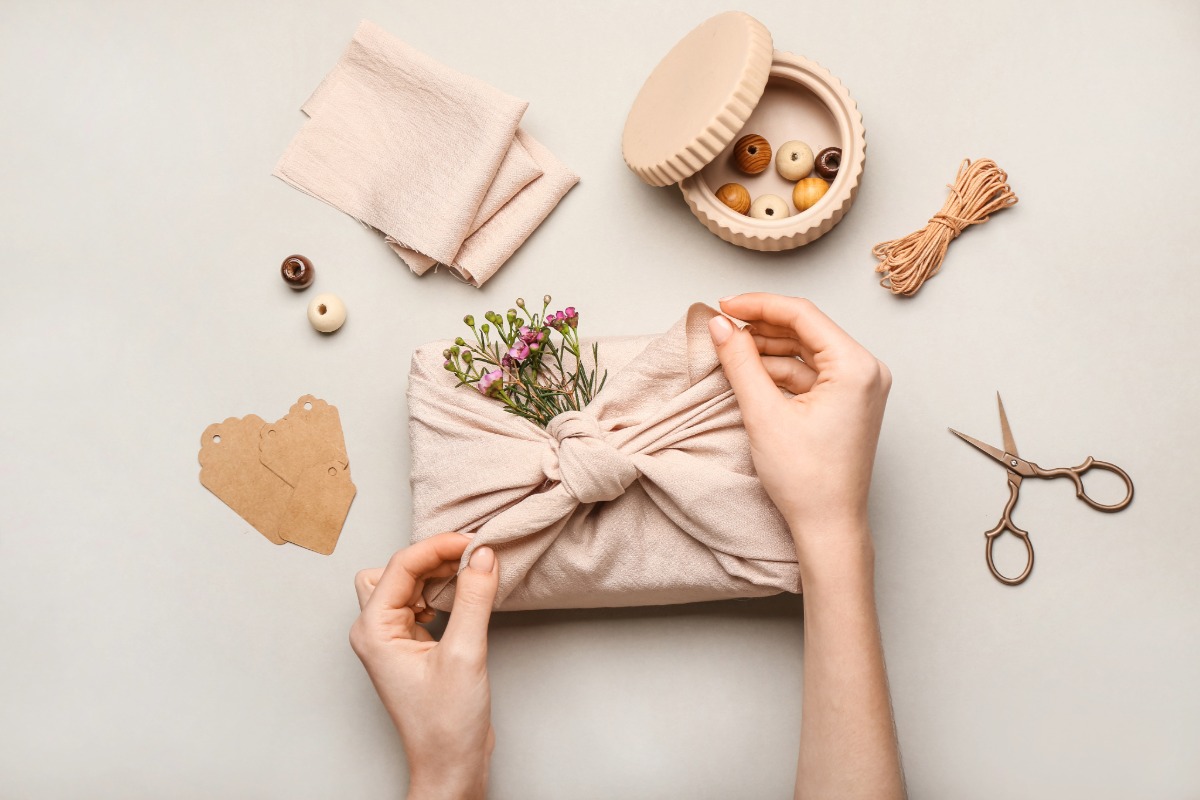
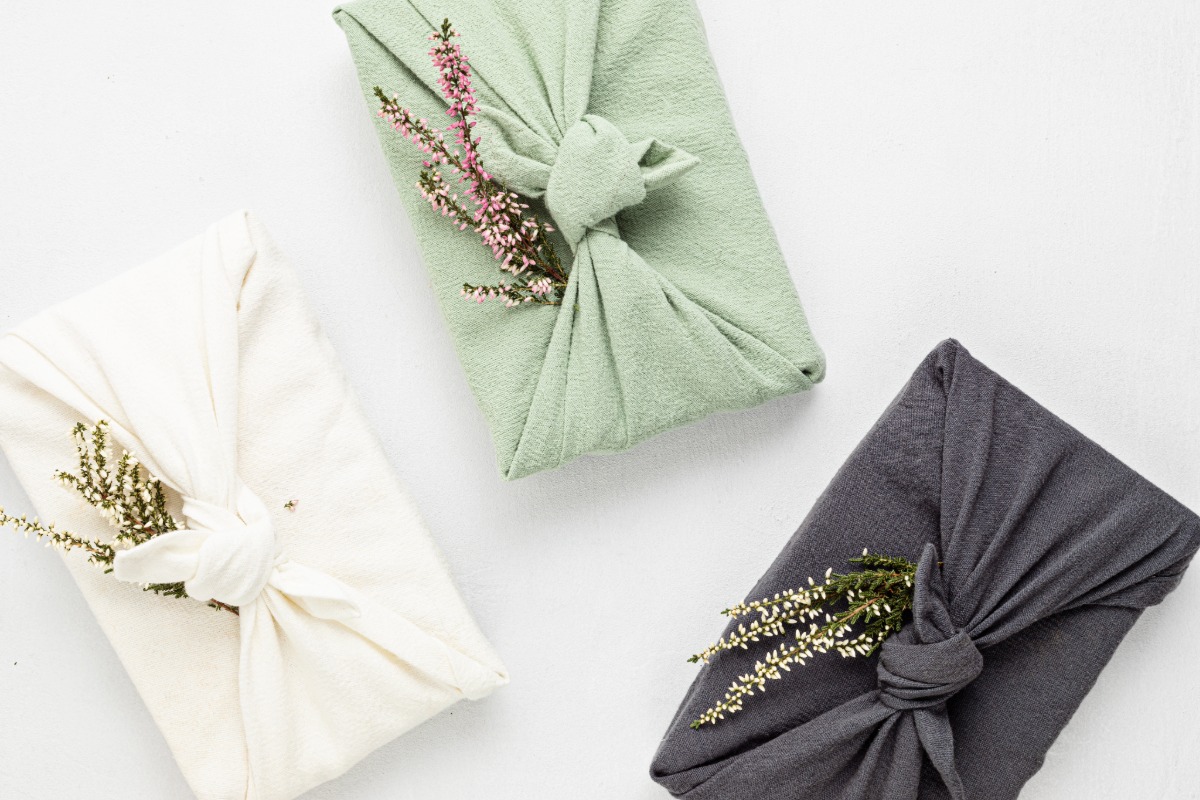
Alcohol makes a fantastic Japanese housewarming gift, provided you know the hosts actually drink. A nice bottle of regional sake, a craft beer selection, or a solid wine all work well. For an elevated presentation, wrapping a sake bottle in a traditional furoshiki cloth makes your gift look exceptionally thoughtful. If you are unsure of their stance on alcohol, skip the bottle and stick to kitchen essentials instead.

Japanese Traditional Kokeshi Design Sake Wine
Why We Love It:
  • Features a hand-crafted Maiko Kokeshi doll theme
  • Complete single-serve set, includes a porcelain tokkuri flask and a matching ochoko cup
  • Made in Japan using authentic Japanese ceramic craftsmanship
IT'S MY GIFT!

Japanese coffee or tea 

A bag of specialty coffee or a nice matcha set is usually a home-run gift for friends your age. Just be careful with older hosts or super formal settings, though. In traditional Japanese etiquette, basic green tea is commonly given as a thank-you at funerals, so it carries a somber vibe. When in doubt for older folks, stick to good coffee or gourmet sweets to keep things safe.

Japanese Loose Leaf Green Tea
Why We Love It:
  • Rich deep-steamed flavor with natural sweetness and minimal bitterness
  • Made from Kagoshima tea leaves selected and finished using traditional roasting techniques
  • Premium 100g pack designed for multiple infusions using a fine-mesh tea strainer
IT'S MY GIFT!

A Traditional Incense Set (Kō) 

High-end Japanese incense sticks, made from natural agarwood or sandalwood, offer an elegant non-food consumable gift. Fragrance plays a subtle yet deep role in settling into a new space, helping clear out lingering moving dust and establishing a calm atmosphere. A boxed set complete with a small ceramic holder feels personal and luxurious without taking up permanent real estate.

Sandalwood Premium Japanese Incense Sticks
Why We Love It:
  • Blended in small batches on Awaji Island by a certified Japanese incense master (Kōshi)
  • 100% natural and clean made from charcoal-free formula with pure sandalwood and traditional herbs (kampo)
  • Evokes the serene ambiance of traditional Japanese temples, making it perfect for unwinding in a new home
IT'S MY GIFT!
Source: Adobe Stock

Five Japanese Housewarming Faux Pas to Avoid

Every Japanese housewarming gift sits inside rules about numbers, symbols, and choreography. Here are the five mistakes that actually matter, in order of how hard they are to walk back.

Faux pas 1: Anything in a set of four

The number four is pronounced shi, which sounds identical to the word for “death.” Four cups, four glasses, four towels, four of anything. It feels unsettling to traditional households. Since Western stores adore four-piece sets, always check the box before buying. Three and five are safe, and pairs are perfectly fine.

Faux pas 2: Fire-themed gifts for traditional families 

Candles, lighters, matches, and oil lamps symbolically invite fire into a new home, the one disaster no host wants. Younger generations mostly shrug at this rule (Tokyo candle shops are thriving), but with older or formal hosts, skip the flame. The house will smell like fresh paint and new beginnings anyway.

Faux pas 3: Funeral colors and funeral flowers

White chrysanthemums belong on memorial altars. The same goes for plain white paper, dark ribbon, or dark wrapping cloth. Choose bright or soft patterns instead, paired with red and white celebration cords (mizuhiki), so your gift makes the right impression before it’s even opened.

Faux pas 4: Handing over cash the wrong way 

Is cash acceptable as a housewarming gift in Japan? Yes, but it has a strict dress code. Money belongs in a decorated envelope called a noshi-bukuro, tied with red and white cords in a bow (symbolizing happiness that repeats itself). Always use crisp, fresh bills from the bank and stick to lucky amounts and never hand over a bare stack of cash from your wallet.

Faux pas 5: The one-handed, expectant handover 

Do Japanese hosts open gifts in front of you? Usually no, so don’t stand around expecting a reaction. Opening presents immediately can suggest the physical item matters more than the visit itself. Hand the gift over at the entrance using both hands with a slight bow. You can use the traditional modest phrase, tsumaranai mono desu ga, which literally means “it’s a small, boring thing” but actually translates to a simple gesture of respect.

Source: Adobe Stock

What is a good Japanese housewarming gift for someone I barely know?

A high-quality soap set or a box of seasonal sweets. Both options are warm, neutral, and impossible to misinterpret.

Do I have to wrap the gift myself?

No. Store wrapping is completely acceptable, and department stores execute it better than most of us ever could. Your personal effort is demonstrated by presenting it with both hands and speaking a polite phrase at the door.

What should I absolutely avoid bringing as a Japanese housewarming gift?

Sets of four, funeral flowers, and sharp objects like knives, which can suggest cutting ties when visiting formal households. Above all, never bring anything you expect them to open on the spot.

Is a gift card considered rude in Japanese gifting rules?

A high-end department store card works well for close friends under thirty. For everyone else, physical objects convey far more warmth.

Do Japanese hosts expect gifts from foreign guests?

They appreciate genuine effort and show immense grace toward cultural mistakes. A thoughtful regional treat from your home country, simply wrapped, resonates far better than a formal box bought in a panic.

What if I forgot a gift and I am already at the door?

Enjoy the evening, then deliver a thoughtful gift within a few weeks accompanied by a warm note. Traditional gift etiquette allows a generous grace period among genuine friends.

The one rule under all the rules

Don’t let the Japanese gift-giving etiquette overwhelm you. At the end of the day, all these rules come down to one simple message: I’m happy for your new start. You don’t need to overthink every tiny detail. Just pick a thoughtful gift, wrap it neatly, and present it with a little respect. That’s what people actually notice and remember.