Some of the links on this blog may be affiliate links. This means that if you make a purchase through these links, we may earn a small commission at no additional cost to you. We are a participant in the Amazon Services LLC Associates Program, an affiliate advertasing program designed to provide a means for us to earn advertising fees by linking to Amazon.com and affiliate websites.
Imagine arriving at a housewarming party and proudly handing the host a pack of toilet paper. In most countries you would become a story the family tells for years, and not kindly. In Korea you would become a hero who understands the korean gift-giving etiquette.
The Korean housewarming is called jipdeuri, and it runs on a gift logic so practical it feels invented by a stand up comedian who then turned out to be right. This guide explains the classical korean housewarming gifts, what modern Koreans actually give now, and how to walk in with something that makes the whole room nod.
Table of Contents
What Is Jipdeuri and When Does It Happen?
Jipdeuri is the gathering a Korean household throws a few weeks after moving in, once the boxes are gone and the host can find the kettle. Family, close friends, sometimes coworkers. The host feeds everyone a proper meal, guests tour the new rooms approvingly, and gifts mark the start of life in a new place.
Two practical beats for a guest.
- First, you are a guest in a working new home, so soft slipper friendly shoes off etiquette applies.
- Second, do not show up early. The curtain on a Korean home opens when the host decides it is ready, and polite lateness is a gift of its own.
Classic and Practical Korean Housewarming Gifts
Every Korean knows the classics, because every Korean has either received or given them.

Laundry detergent
The logic behind it is pure folk poetry. Just as soap creates ever-growing bubbles, may your wealth and fortune foam and multiply. Families who moved frequently in past decades often joke that they survived on gifted detergent for years.

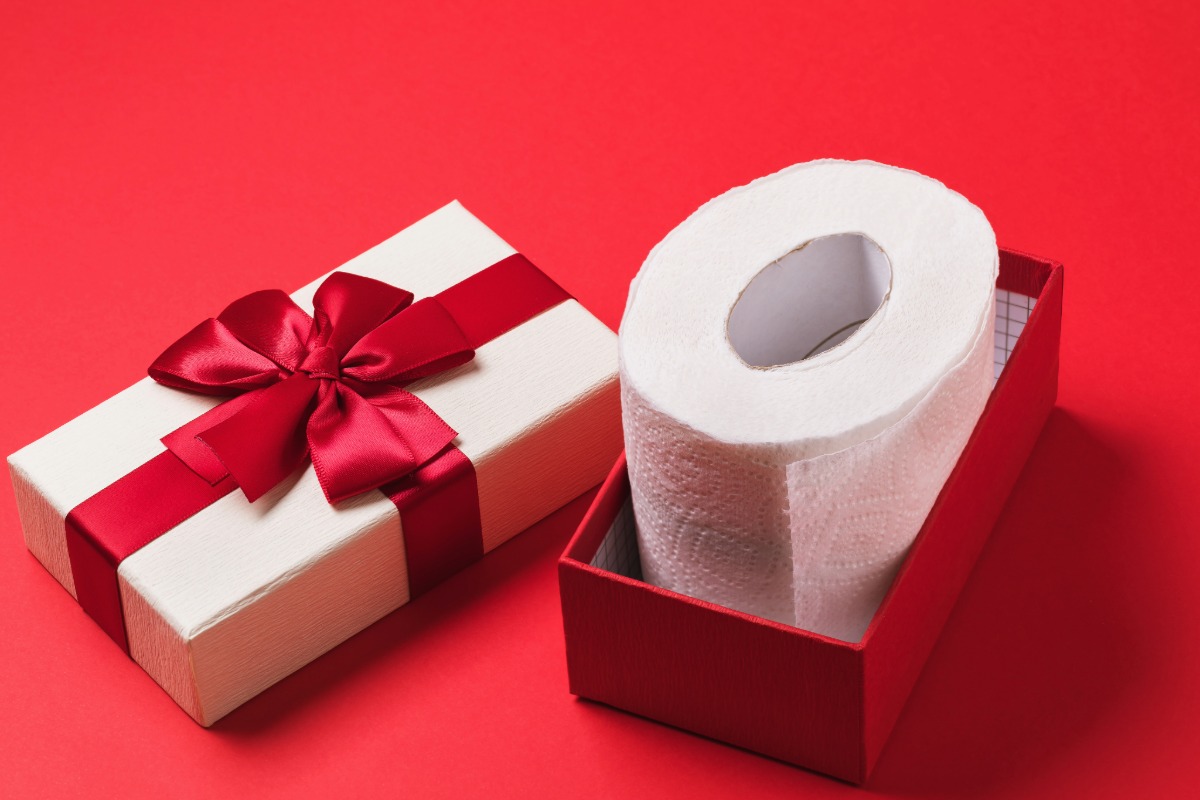
Toilet paper (or paper towels)
Given with the wish that everything in your new chapter unrolls as smoothly as a fresh paper roll. It is almost impossible to hand over without a smirk, which is practically part of the fun.

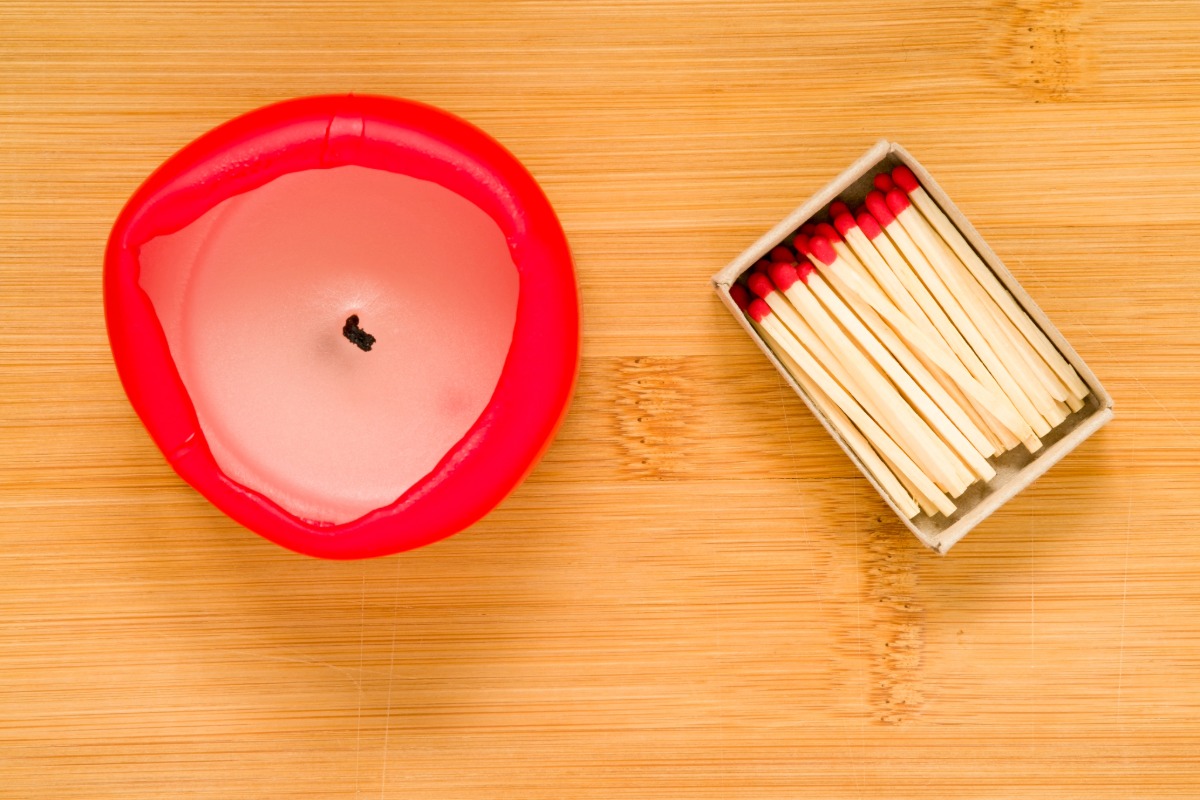
Matches and candles
Fire symbolizes a wish for the household to flourish like a bright, steady flame. While classic matchboxes are fading into nostalgia, an elegant candle set carries the exact same blessing into modern apartments.

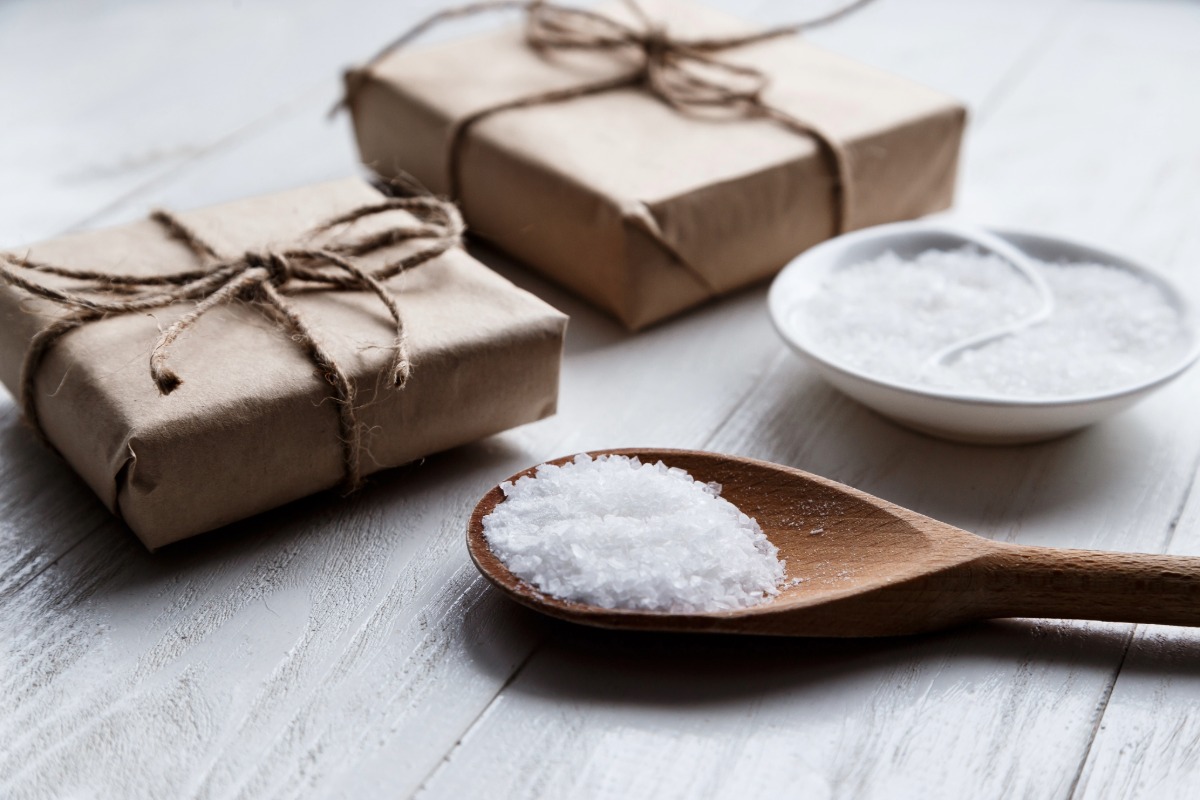
Salt
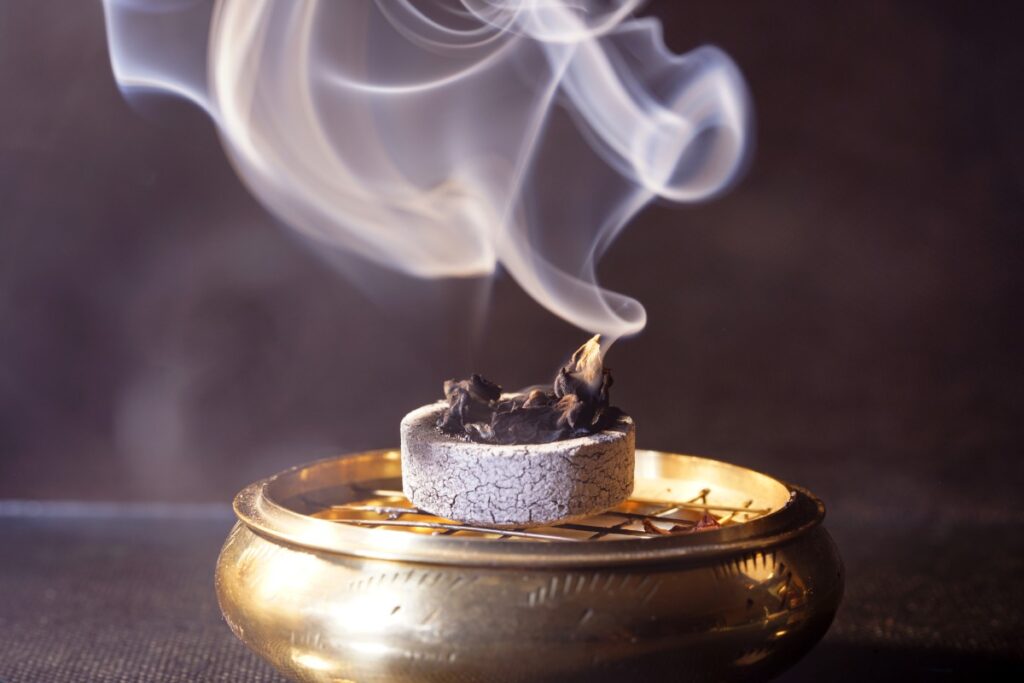
Natural solar sea salt shows up at jipdeuri because salt traditionally drives away bad spirits from a new space. A beautiful jar of Korean sea salt quietly qualifies you as the guest who did the homework.
None of these are joke gifts. They’re just genuinely useful items for a new home, and the caring part is that they save the host a trip to the store.
- Eco-friendly, renewable, and packaged in recyclable materials
- 3-ply strength without fragrances, dyes, or elemental chlorine
What Modern Koreans Actually Give Now
Modern Koreans still love the traditional gifts, though they usually come with sleeker packaging and a premium upgrade. Alongside those classics, people now tend to bring things that fit right into modern apartment life.
Houseplants
A new space always feels more alive with greenery. Low-maintenance options like Pothos, Monstera, or Zamioculcas (ZZ plants) are very popular Korean housewarming gifts because they add life without giving the host a high-maintenance chore.
Useful tip: Skip massive ceramic pots that take up precious floor space. Try to find a small, handmade well-draining pot that can sit easily on a shelf or desk.
- Naturally filters indoor air by removing everyday toxins
- Arrives fresh from the farm in safe packaging, making it an easy, thoughtful present
Diffusers and Hand Care Sets
Aesthetic reed diffusers, scented room sprays, and elevated hand washes (from brands like Thymes or Aesop) have become quintessential modern gifts. They bring an instant sense of cozy luxury to a freshly scrubbed, post-move apartment.
Useful tip: Choose soft, neutral, or woody scents (like cedar, linen, or subtle citrus). Overly heavy florals or strong artificial vanilla can easily overpower small living rooms.
- Formulated with moisturizing glycerin and Noni fruit to gently cleanse hands without drying them out
- Sensuous floral scent with notes of rose, peony, jasmine, clementine, black currant, and vanilla
Small Kitchen Appliances
When close friends or colleagues visit, pooling money together for a shared gift is very common. Practical daily staples like an electric kettle, an aesthetic toaster, an air fryer, or a compact single-serve rice cooker are high-value favorites that get used weekly.
Useful tip: Always coordinate with other guests or ask the host beforehand to avoid accidentally gifting a second kettle or rice cooker.
- Sleek 3.58" slim profile with cord wrap fits easily on compact countertops
- 10-inch extra-wide slot holds two slices or thick artisan breads, bagels, and baguettes
Wine, Craft Sake, or Specialty Spirits
Younger hosts frequently welcome bottles of natural wine, local craft beer, or modern traditional liquors (like premium soju or makgeolli). It doubles as an instant drink to share during the housewarming meal.
Useful tip: Bring a bottle only if you are certain the host drinks alcohol. If they don’t, high-end seasonal fruit or premium tea sets are the elevated alternative.
- Features hand-colored koi fish on the bottom, a traditional symbol of good luck
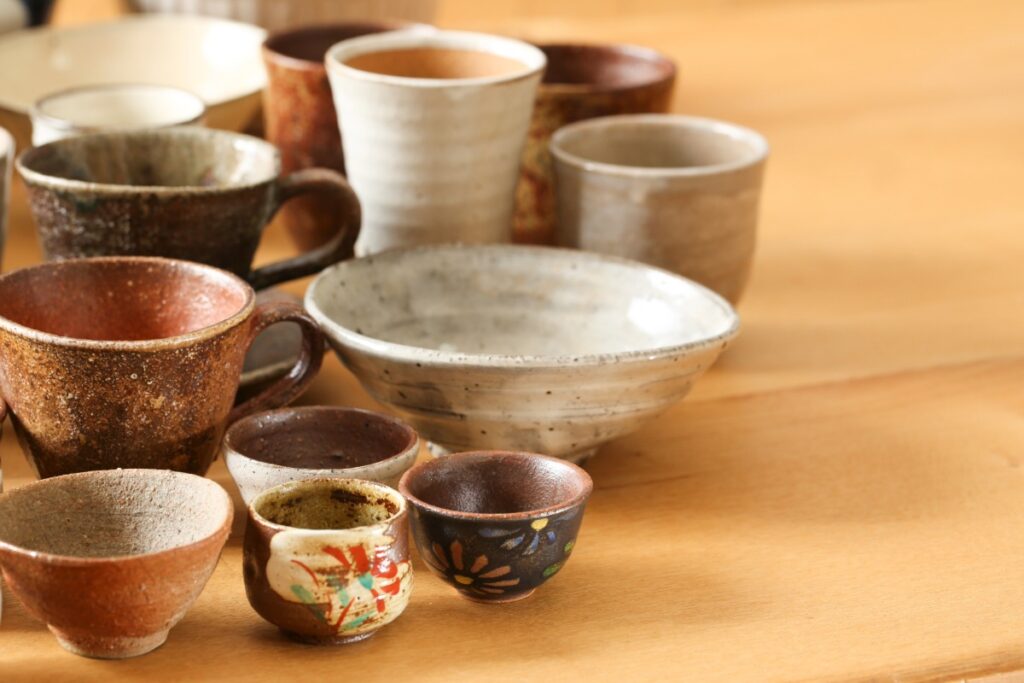
- Small, space-saving cups that function as tea or sake glasses, as well as small sauce dipping bowls
If you want a broader selection of ideas across different gift budgets, our guides to useful housewarming gifts on a budget and inspiring housewarming gifts under $100 cover universal options.
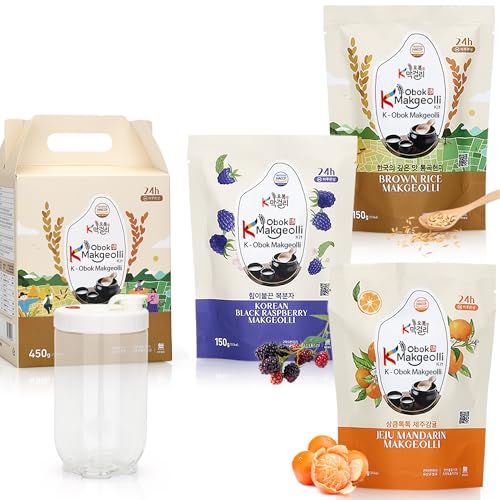
- Brews traditional Korean rice wine in 24 hours with three flavors (Black Raspberry, Brown Rice, Jeju Mandarin)
- Includes all necessary ingredients and a reusable fermentation container for easy home brewing
How the jipdeuri evening actually goes?
You arrive with your gift held in both hands, the standard way to hand over almost anything in Korea. The host waves it off once out of modesty, you gently insist, and they accept it with a smile. Shoes come off at the entryway without a word, often swapped for house slippers.
Food is the host’s gift to you, and it will be abundant. A proper jipdeuri spread, often loaded with classics like japchae (glass noodles) or a hot shared stew, announces the household’s readiness to host.
Compliment something specific and genuine, whether it’s a homemade side dish or the new living room layout. If there are kids in the house, they will likely be presented like prized trophies and react with enthusiastic warmth.
As drinks are poured, always for each other, never for yourself, the mood relaxes. Late in the evening, someone inevitably jokes that your giant box of detergent will last until their next move. It will.
What Not to Bring to a Jipdeuri
Korean gifting customs are closely tied to symbolism, so a few traditional taboos apply. Avoid these common mistakes when picking out a special Korean housewarming gift:
| What to Avoid | Why to Avoid It | Better Alternative |
|---|---|---|
| Knives, Scissors, or Blades | Sharp items symbolize cutting ties or "slicing" away the household's good luck. | High-end kitchen utensils, wooden boards, or cookware. |
| Anything in Sets of Four | The number four (sa) sounds like the word for death in Korean, making it bad luck. | Gift items in sets of three, five, or seven instead. |
| Home Improvement Gear or Tools | A tool set or drill implies the host's new home is unfinished or needs work. | Candles, diffusers, or home scents that celebrate warmth and comfort. |
| Overly Expensive or Grand Items | Lavish gifts put pressure on the host and make them feel an uncomfortable sense of debt. | Stick to modest, useful household items or high-quality edibles. |
Korean Housewarming Gifts Budget Guide
💰 Casual Friend or First Jipdeuri ($20–$35)
Key Idea: Keep it practical, thoughtful, and modest.
Top Choices: High-end detergent pod sets, a scented candle, or a set of quality cotton hand towels.
Pro Tip: Include a small card explaining the tradition (like wishing them luck that unrolls smoothly with paper). A brief note does half the emotional work and turns a simple item into a memorable gesture.
💰 Close Friends ($40–$80)
Key Idea: Focus on daily comforts or elevated household upgrades.
Top Choices: A healthy plant in a ceramic pot, a luxury hand care or diffuser set, or chipping in for a mid-range kitchen item.
Pro Tip: Check if they have a specific aesthetic or favorite scent profile first so the item blends seamlessly into their new living space.
💰 Family or Best Friends ($100+ or a group gift)
Key Idea: Significant home contributions and major group gifts.
Top Choices: Small appliances (a premium rice cooker, air fryer, or sleek kettle), or pooling cash with a group of friends to fund the first dinner party groceries.
Pro Tip: Pitching in for their initial grocery haul or dinner party bill is a major power move that takes immediate stress off the hosts during a busy move-in week.
The History of Detergent and Paper: How 1970s Expansion Built This Custom
The backstory: These aren’t ancient traditions. They began during Korea’s rapid industrial expansion in the 1960s and 70s. Synthetic laundry detergent (Sae-pon, Hi-Ti) and factory-made paper products were major consumer luxuries back then. Bringing them was a way to wish a family modern comfort and material wealth after decades of hardship.
Why it matters: It grounds the practice in real history, showing how a “practical” Korean housewarming gift was actually a major status upgrade just two generations ago.
Food Etiquette: Why You Bring Supplies, Not the Main Feast
The household rule: Guests bring household supplies; the host provides all the food and drinks. Bringing a main dish or side dish to a jipdeuri table can accidentally signal that you thought the host wouldn’t prepare enough.
The exception: Bringing a bakery dessert, fresh seasonal fruit, or a bottle of wine to enjoy after the main meal is completely fine. The dinner spread itself remains strictly the host’s domain to show their hospitality.
The Digital Shift: KakaoTalk and e-Commerce Gift Culture
The modern habit: Younger Koreans usually just ask for the host’s KakaoTalk Wishlist or text them a digital coupon (Gifticon) right on their phone around the time of the party.
Why it works: It solves the practical challenges of urban living. Nobody gets stuck lugging giant paper rolls on the subway, and the host gets to select the exact brand, scent, or delivery date.
The Return Korean Housewarming Gift: Dapryepum
What the host gives back: A jipdeuri goes both ways. Right before you walk out the door, the host will almost always slip a small dapryepum into your hands to say thanks for stopping by.
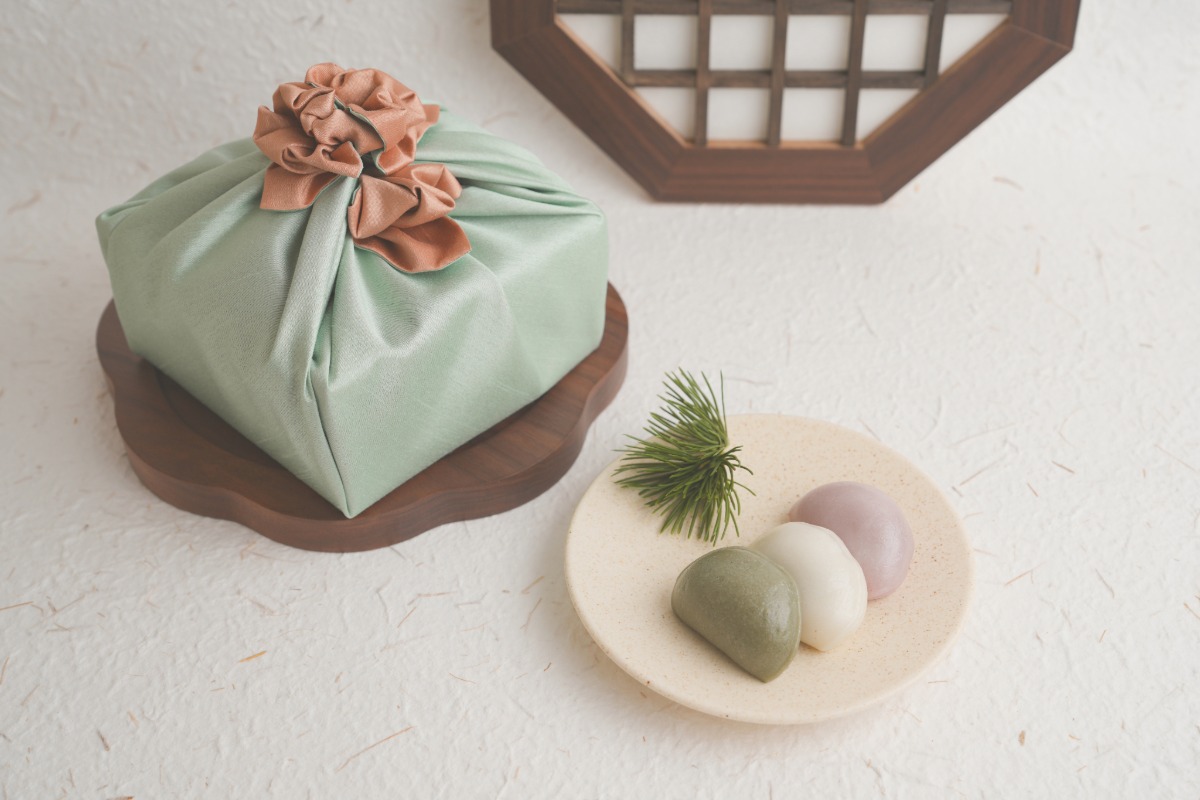
What you’ll get: Usually it’s something sweet like a small box of rice cakes, a nice hand towel, or a container of food left over from dinner.
Choosing Gifts for Small Korean Apartments
Sound and space concerns: High-rise apartment living comes with thin floors and limited square footage. Heavy floor items, bulky exercise gear, or loud interior decor (like wall clocks with a heavy tick) are major non-starters.
Better options: Choose small, quiet upgrades that don’t take up much room. A simple countertop organizer, a subtle reed diffuser, or a couple of plush hand towels that make the place feel cozy without cluttering it up.
Timing the Move: Pick a Lucky Date
The calendar custom: A lot of people in Korea still pick their moving day using Sondaemneun Nal, meaning specific dates on the lunar calendar believed to be clear of bad spirits.
When to visit: The housewarming usually happens soon after the move, once the boxes are unpacked and the space feels clean and calm. Showing up within those first few weeks fits right into that fresh start.
Read also:
- Korean Glass Skin Routine: K-Beauty Secrets for Glowing Skin
- Asian Wedding Gift Traditions Explained: How to Gift Wisely
- How to Create A Modern Japanese House Interior: 11 Wabi-Sabi Home Gifts
- 30 Questions That Reveal the Perfect Gift for Anyone
Is the toilet paper a real Korean housewarming tradition?
It is completely real. Ask almost any Korean colleague about it and prepare for a delighted conversation. Everyone has their own family story about receiving mountains of paper rolls.
Do I have to stick strictly to the Korean housewarming traditional gifts?
Not at all. The traditional Korean housewarming gifts bring nostalgia and a shared smile, while modern gifts like diffusers or kitchen tools are totally safe bets. If you want the ultimate connoisseur move, combine both: pair a high-end laundry detergent with an elegant scented candle.
What should I bring if the hosts are a minimalist couple?
Avoid large or bulky items. Choose quality over volume, a single luxury hand soap, a beautifully packaged candle, or a sleek reed diffuser. A genuine compliment about their new layout will go further than a giant pack of paper towels.
Should I actually gift-wrap a pack of toilet paper?
If you decide to go classic, commit to the bit! Wrap the package neatly, add a nice ribbon, and include a card with the “smooth unrolling” blessing written out. Treating the joke with care is what turns a simple supply into a memorable gift.
How long after moving in can someone hold a jipdeuri?
Anytime within the first two months of moving in counts as a true jipdeuri. If you visit after that window, the formal Korean housewarming customs fade, and you are simply attending a great dinner party.