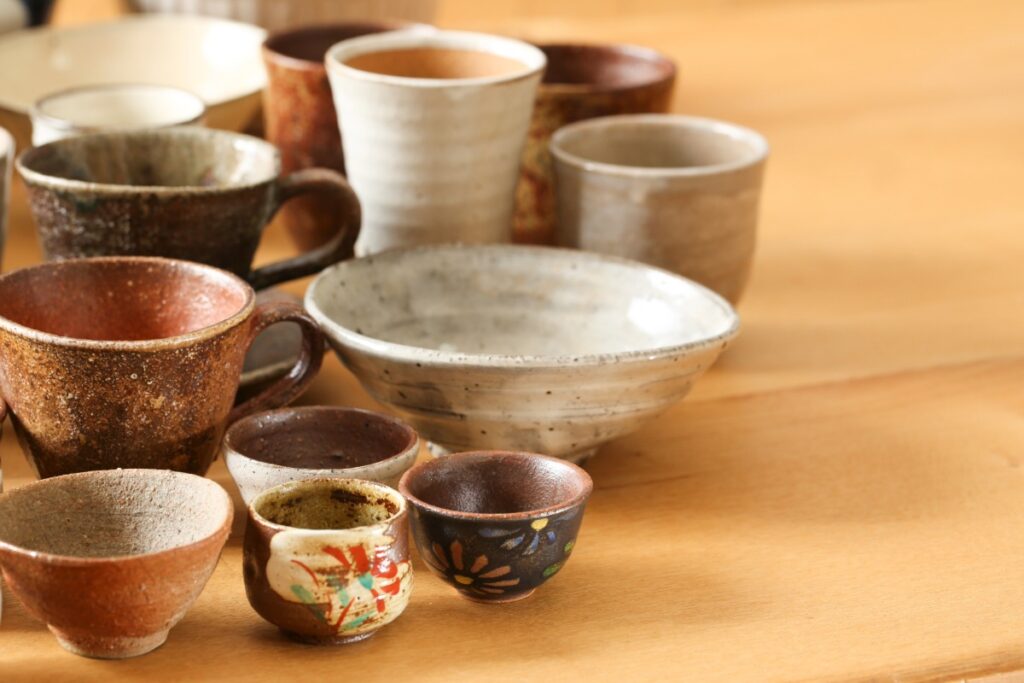
Is a Japanese Matcha Tea Gift Set a Taboo Gift?
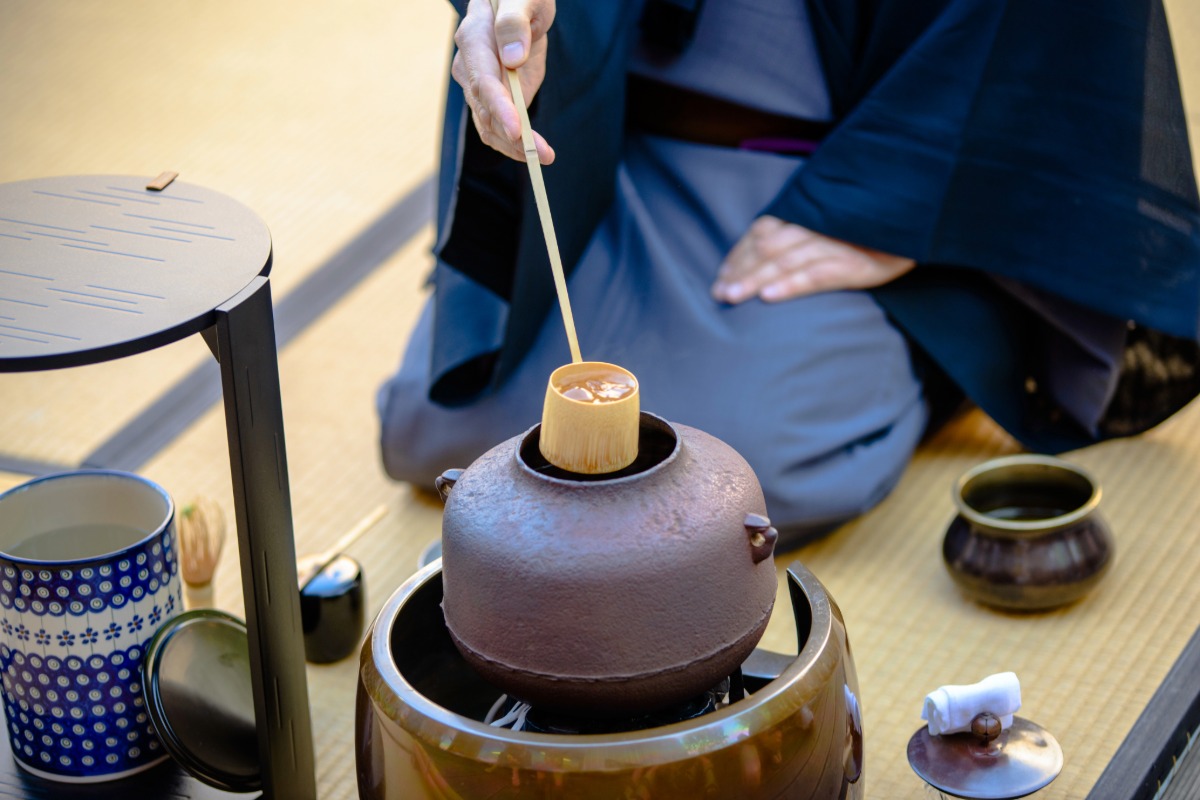
You may have read that tea is a forbidden gift in Japan. The truth is much simpler. Green tea is traditionally given as a return gift at funerals, which is why you should avoid it for formal occasions involving older or very traditional recipients. A Japanese matcha tea gift set, honoring Japan’s centuries-old tea ceremony traditions, is one of the best choices for any other occasion, such as weddings, host gifts, birthdays, and housewarmings among friends.
What Makes a Great Matcha Set? The 5 Must-Have Tools
When you whisk matcha, you are suspended ground tea leaves in hot water. How good your tea tastes, and how smooth the foam gets, comes down to the tools in your hands. Before you add any matcha set to your cart, check if it includes these core pieces.
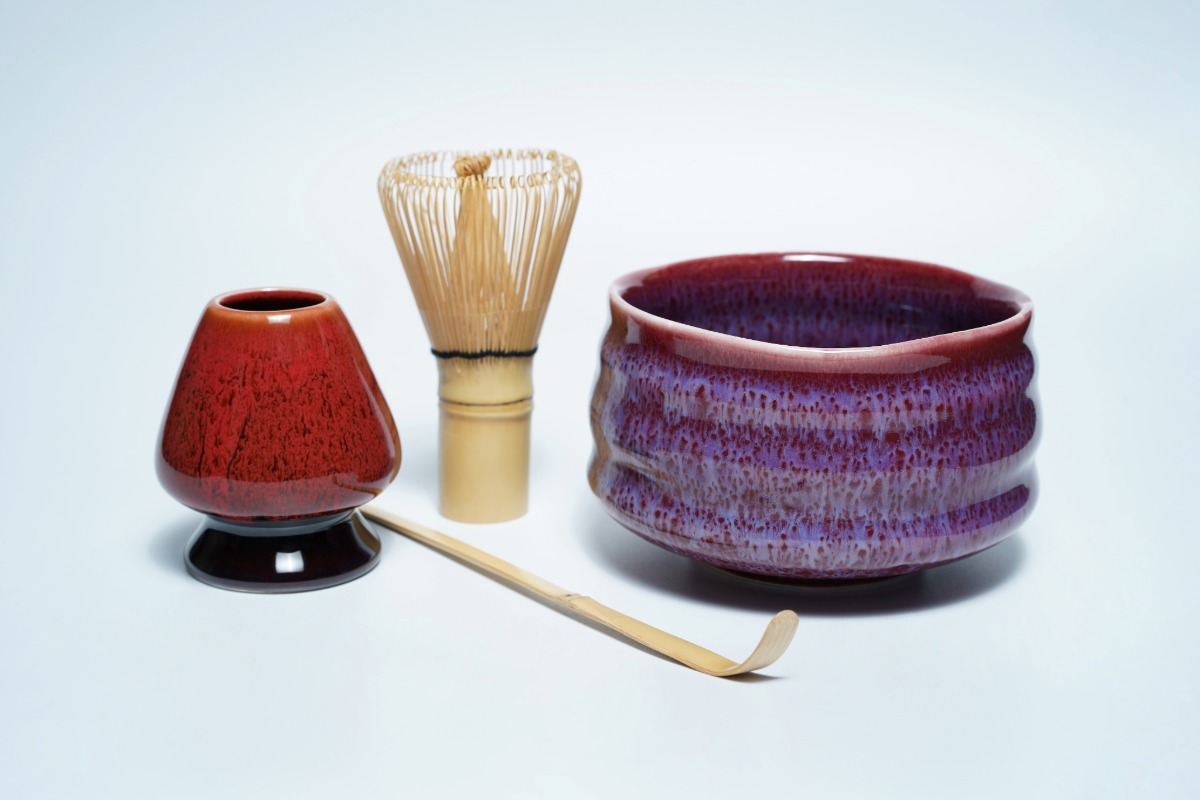
1. The Matcha Bowl (Chawan)
A regular coffee mug or deep soup bowl just will not cut it when you are whisking matcha. Your bamboo whisk needs space to move back and forth in a fast “M” or “W” pattern.
Look for a bowl that is roughly 11 to 13 cm wide and holds between 400 and 550 ml. The bottom inside the bowl should have a soft, gently curved “belly”. Flat bottoms or tight interior corners trap un-whisked powder, leaving you with dry clumps at the end.
Pay attention to the glaze, too. You want an interior finish that feels smooth, but not slick like ice. Rough or sandy clay will wear down delicate whisk tines quickly. If you plan on making iced matcha lattes or pouring your tea into another cup, look for a spouted matcha bowl to keep your kitchen counter clean.
2. The Bamboo Whisk (Chasen)
The bamboo whisk is where the magic happens. A real Japanese chasen is hand-carved from a single piece of natural bamboo, without any glue, wire, or synthetic chemicals.
High-quality whisks use strong Madake (timber bamboo), which flexes without snapping. Cheaper whisks made from low-grade bamboo quickly warp, lose their shape, or drop loose splinters right into your bowl.
3. The Ceramic Whisk Holder (Kusenaoshi)
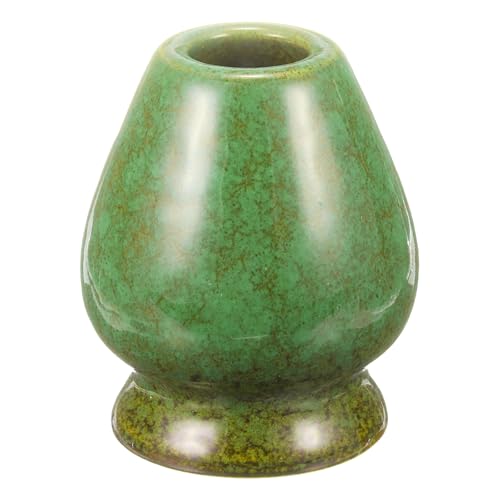
This is the single most underrated tool in any matcha kit. Bamboo is a natural material that contracts and curls inward as it dries after washing.
A ceramic whisk holder acts as a drying mold. Slipping your damp whisk over the dome keeps the outer tines open, stops the core from collapsing, and prevents mold from growing inside. A $10 whisk holder can easily double or triple the lifespan of your bamboo whisk.
4. The Bamboo Scoop (Chashaku)
A traditional chashaku is a slender piece of bent bamboo designed to scoop fine green tea powder without creating static cling. One level scoop gives you about 1 gram of powder, making it easy to hit the right recipe ratio.
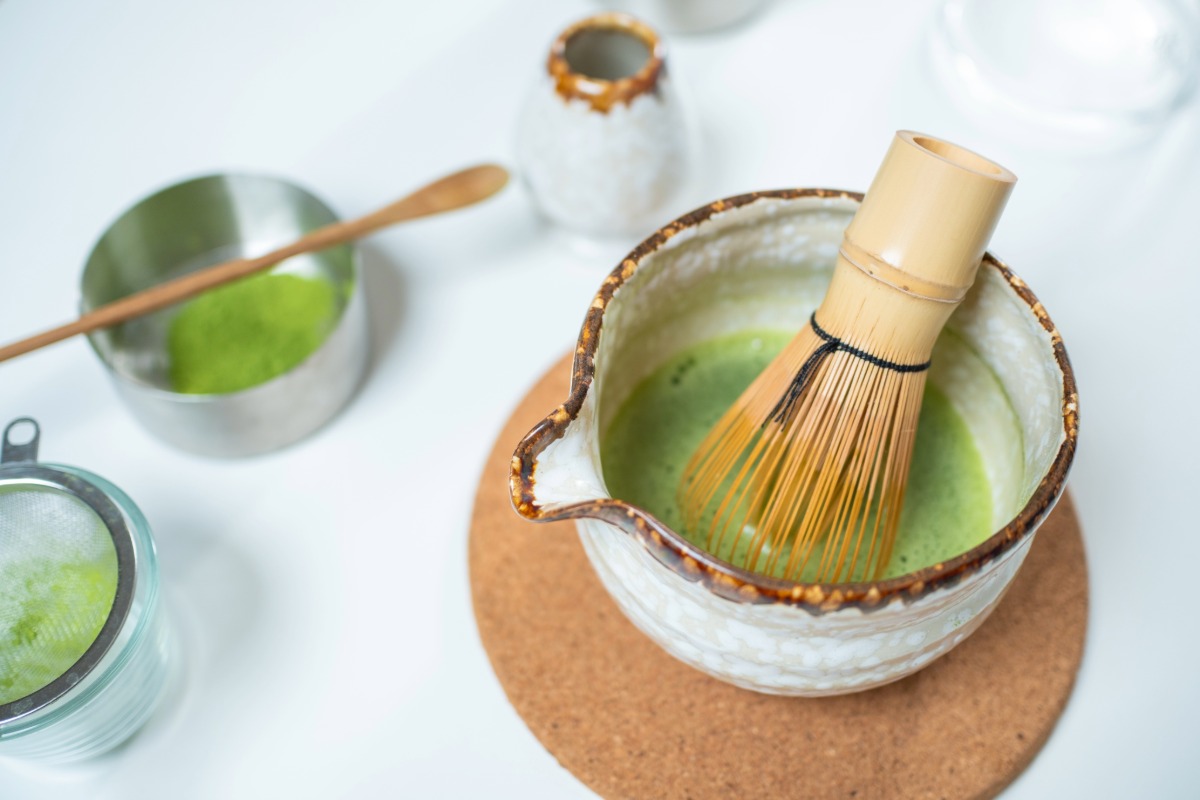
5. The Mesh Sifter (Furui)
The sifter (furui) is your best friend if you hate lumps. Matcha powder easily clumps together inside its tin. Pushing your matcha through a small stainless steel sifter breaks those tight clusters apart so hot water can dissolve the powder into a silky liquid.
What to Skip: Save Your Money on These Accessories
Many matcha kits stuff their boxes with cheap extras just to charge you double. Here is what you should leave out of your cart:
- Unsealed wooden tea caddies (natsume): Traditional wooden containers look gorgeous in photos, but they are not airtight. Oxygen, light, and humidity ruin green tea powder fast. Keep your matcha sealed inside its original tin in the fridge until you are ready to drink.
- Wooden trays (chabon): They add shipping weight and cost to the kit, but take up extra counter space and offer zero practical brewing benefit.
- Handheld electric frothers: Some budget sets toss in a battery-powered milk frother instead of a real bamboo whisk. Electric blades spin too fast, slicing through the water and leaving you with big soapy bubbles instead of rich, creamy microfoam.
- Culinary grade matcha bundles: Never accept culinary grade powder in a drinking tea gift set. Culinary grade is harvested late in the season for baking or cooking smoothies; it is dull, yellow-green, and intensely bitter when mixed directly with water. Always look for first-harvest ceremonial grade matcha from Japanese origins like Uji, Kagoshima, or Nishio.
🍵 How to Prepare Japanese Matcha in 60 Seconds
No tea set gift should arrive without simple instructions. Here is how to brew a bowl in sixty seconds:
- Sift the powder: press two bamboo scoops (roughly 2 grams) through your fine-mesh sifter into the bowl. Sifting eliminates clumps completely.
- Add hot water: pour in roughly 70 milliliters of water heated to 70°C–80°C. Freshly boiled water rested for one minute works perfectly.
- Whisk briskly: whisk rapidly in a back-and-forth “W” motion for 20 seconds until a creamy foam covers the surface.
- Serve hot: drink immediately while the particles remain evenly suspended in the foam.
Loose-Leaf Tea Sets: Daily Japanese Teas Beyond Matcha
If your recipient already owns a matcha set, or prefers loose-leaf tea, several complementary options make memorable gifts. A curated three-tea flight ($25–$50) makes a beautiful gift, offering a great overview of Japanese tea culture:
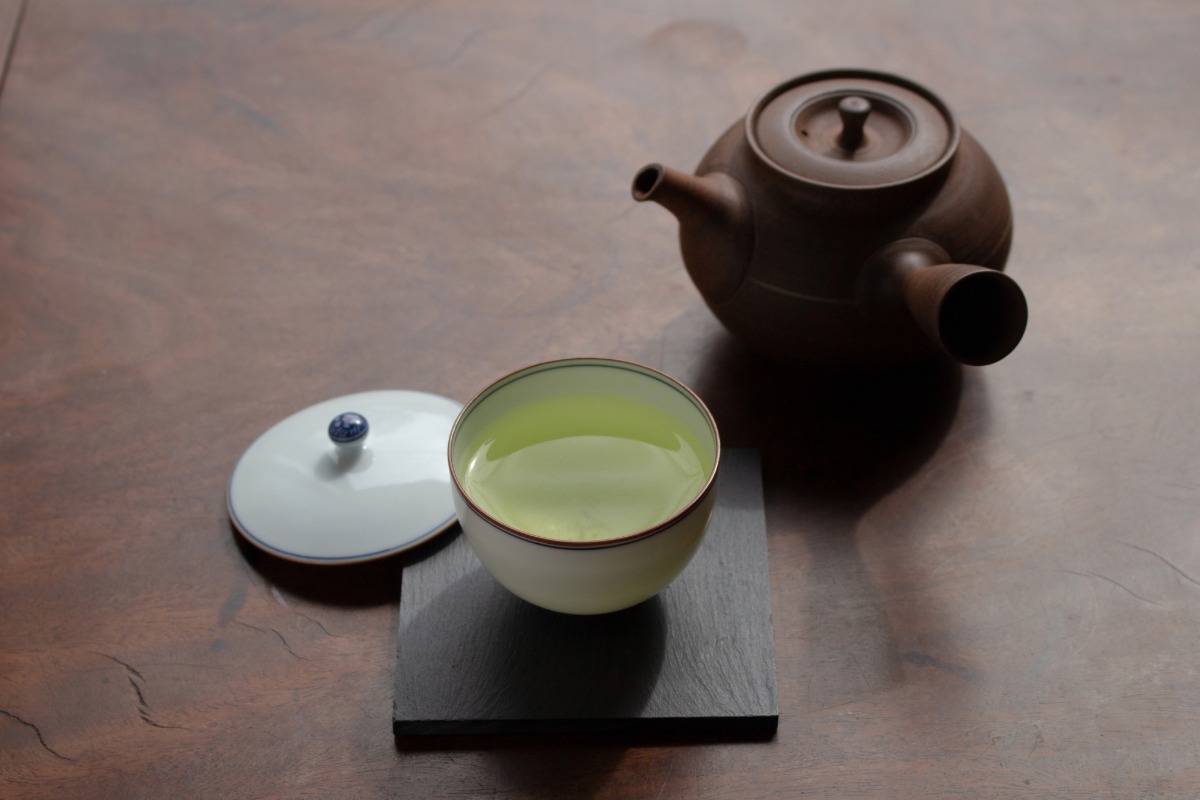
- Sencha: Japan’s flagship green tea. Grassy, bright, and refreshing taste of a Japanese afternoon.
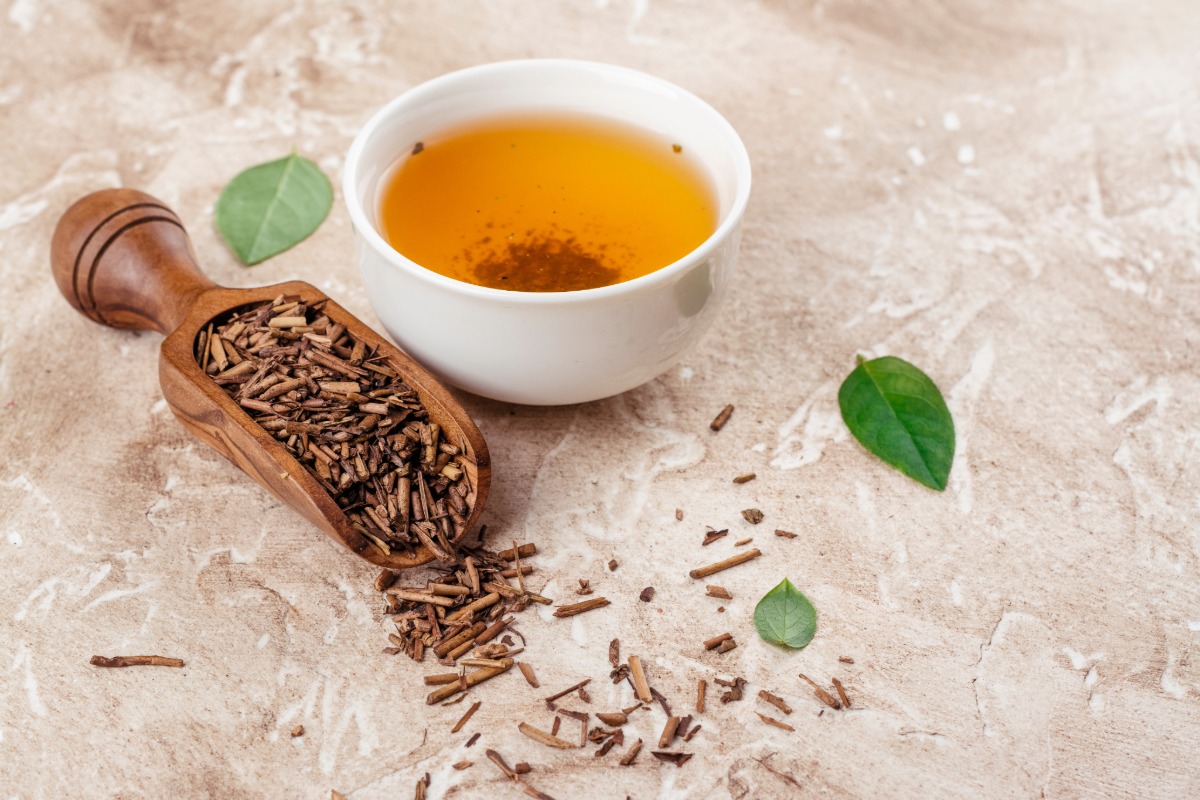
- Hojicha: Roasted green tea leaves with an amber color and lower caffeine content. The evening tea and the convert’s favorite.
- Genmaicha: Sencha blended with toasted brown rice. Famously nicknamed “popcorn tea,” it is savory, warm, and impossible to dislike.
- Upgrade path for connoisseurs only: Gyokuro, a shade-grown, deeply savory tea reserved for deliberate, low-temperature brewing.
Buying Tip: Avoid generic 12-flavor sampler packs with added artificial flavorings. Look for airtight, sealed pouches with clear harvest dates. A three-tea flight with a handwritten tasting note card is the kind of gift people photograph.
Japanese Teapot vs. Iron Kettle: Choosing the Right Kyusu or Tetsubin
Shopping for authentic Japanese tea hardware often leads straight into a confusing mix of terms. The biggest trap for gift-givers is the overlap between a brewing teapot (kyusu) and a heavy boiling kettle (tetsubin). Knowing the difference before you add to cart will save you from an expensive buying error.
- Kyusu: A traditional clay teapot with a side handle (often made in Tokoname, $40–$90). Built specifically for brewing loose-leaf tea gracefully with an integrated fine strainer near the spout.
- Tetsubin: A heavy, raw cast-iron kettle designed solely for boiling water over heat.
- Tetsu-Kyusu (the practical fix): An enamel-lined cast-iron teapot ($35–$70) fitted with a removable mesh strainer basket.
Buying Tip: If your giftee loves the cast-iron look, buy the tetsu-kyusu. A raw iron tetsubin will rust quickly if used to brew tea. Read the listing photos for the strainer and check three-star reviews for mentions of rust.
The Double-Lidded Tea Tin (Chazutsu)
A traditional double-lidded Japanese tea tin (chazutsu, $30–$65) makes a timeless, durable gift. The inner lid creates an airtight seal that shields delicate loose leaves from ambient light, moisture, and air. Long after the initial batch of tea is enjoyed, a well-made tin serves as a functional kitchen piece for decades.
Japanese Matcha Gift Set Extras: Sweets, Furoshiki Wrapping, and Local Snacks
If you want to turn a simple set of tools into a memorable unboxing experience, a few thoughtful extras go a long way. Pairing green tea with a complementary snack or wrapping it using traditional Japanese fabric adds extra warmth and charm without adding useless clutter.
- Wagashi pairing: a small box of traditional Japanese sweets (wagashi) balances the subtle astringency of green tea and turns a gift into an occasion. Check shelf life, as fresh confectionaries expire quickly.
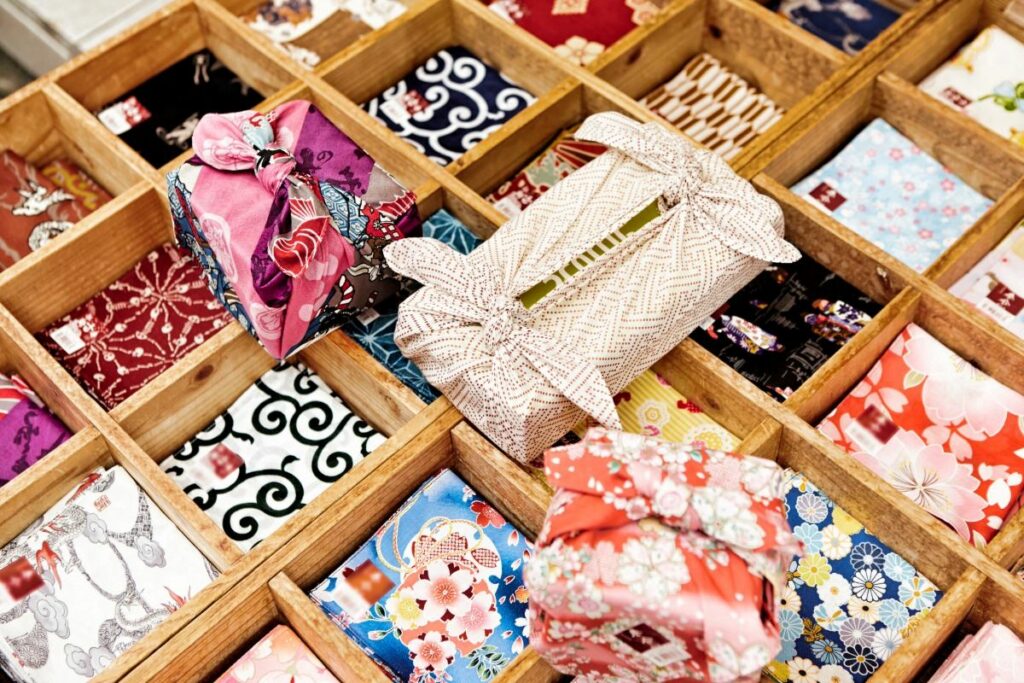
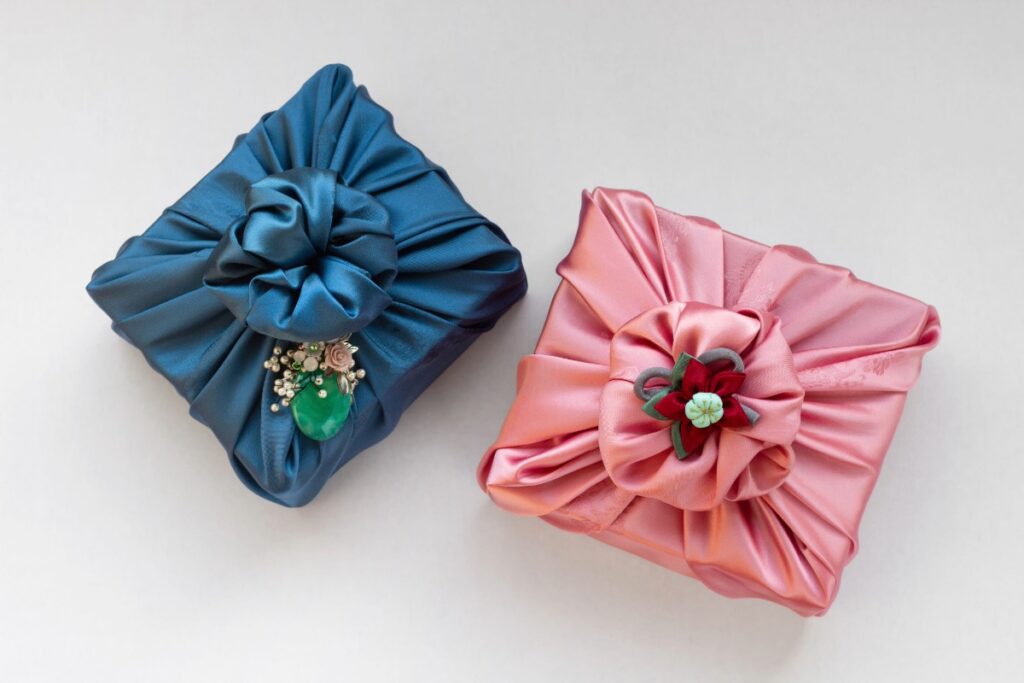
- Furoshiki fabric wrapping: wrapping your tea set or tin in a 70 cm square cotton cloth (furoshiki) elevates the unboxing experience using simple knotting techniques. [LINK: furoshiki-gift-wrapping (po publikacji)|Our furoshiki guide] teaches the one knot you need; it looks unreasonably professional.
- Fun shelf items: unique local snacks, like matcha-flavored Kit Kats from Japan, remain undefeated as stocking stuffers.
- An experience: a tea ceremony evening for two, booked locally, often beats hardware for the person who has everything.
Buying Tea in Japan: Practical Tips for Travelers
If you are lucky enough to shop for tea in Japan, skip the airport souvenir shops and use these practical guidelines to find fresh, high-grade options:
✅ Target department store basement halls (depachika):
Food halls located in the basements of major department stores (like Takashimaya, Isetan, or Daimaru) stock curated regional tea brands. Staff will pack your items in high-quality gift wrapping with cool packs if required.
✅ Ask for the current year’s harvest:
When buying loose-leaf Sencha, explicitly check that you are buying the current spring harvest (shincha). Freshness matters for taste and aroma.
✅ Keep Matcha Cold:
Premium ceremonial matcha is sensitive to heat and light. Buy your matcha near the end of your trip, request an insulated bag if available, and store it in your hotel mini-fridge until you fly home.
✅ Visit Historical Tea Regions:
If your itinerary includes Kyoto or Tokyo, seek out traditional tea shops in Uji or historic tea houses. The staff can guide you on precise water temperatures and steeping times for specific harvests.
✅ Understand omiyage culture:
Bringing back individually wrapped tea sets or tea-flavored treats to share with friends or colleagues aligns with Japan’s tradition of souvenir gifting (omiyage).
Recommended Tea Shops in Japan:
⛩️ Kyoto
- Ippodo Tea Main Store – One of Japan’s most famous tea institutions. Located in central Kyoto, in this historic shop you will find a wide selection of single-origin matcha, sencha, and teaware.
- Marukyu Koyamaen – A great location for one of Uji’s premier tea producers where you will find top-tier ceremonial grade powders.
- Tsuen Tea (Uji) – Located right by the river in Uji, this is recognized as the oldest continuously operating tea house in the world (established in 1160). It is the ideal stop for authentic loose-leaf sencha and traditional matcha packed in sealed tins.
🗼 Tokyo
- Gion Tsujiri (Tokyo Skytree Solamachi) – Conveniently located inside Tokyo Skytree Town Solamachi. They specialize in gift-ready sets combining Uji matcha with traditional sweets.
- Cha no Ikedaya – An old, traditional tea shop tucked away in the underground Odakyu Ace arcade at Shinjuku Station.
- The Matcha Tokyo (Miyashita Park) – Located right inside Miyashita Park, this popular organic spot is one of the easiest places to grab a fresh, traditionally whisked matcha, served either hot or iced.
🎴 Osaka
- Shinsaibashi Ujien – A historic store situated in Osaka’s bustling Shinsaibashi shopping district. They stock an extensive variety of loose-leaf green teas, roasted hojicha, and packaged gift sets suitable for travel.
- Ujikoen Osaka-shinsaibashi – A refined tea shop near Shinsaibashi focusing on fresh Uji teas, traditional double-lidded tea tins, and handmade accessories.
What to Look For When Buying Matcha Tea Online
Single-Origin Traceability
Premium sellers clearly state where the tea was grown—such as Uji (Kyoto), Yame (Fukuoka), Nishio (Aichi), or Kagoshima. Avoid vague labels that simply say “Product of Japan.”
Harvest Dates and Batch Information
Freshness matters. Look for vendors that list the harvest year or batch production date, ensuring you receive the current spring harvest (shincha) rather than old stock.
Small, Airtight Packaging
Quality green tea powder and loose leaves degrade quickly when exposed to light, oxygen, and ambient humidity. Always purchase tea sealed in small tins (30g to 100g) or multi-layer foil bags with nitrogen flushing.
Seller Disclosures
Reputable online shops explain their cold-chain storage methods, grinding processes (such as traditional stone mills for matcha), and recommended brewing parameters directly on the product page.
Top Online Matcha Stores in the US and Europe
United States
- Ippodo Tea USA (ippodotea.com) – The official North American online shop for Kyoto’s legendary 300-year-old tea company.
- Jade Leaf Matcha (jadeleafmatcha.com) – A US-based brand focused on farm-direct, organic Japanese tea. They partner directly with family farms across Uji and Kagoshima.
- Encha Organic Matcha (encha.com) – An organic-first US brand sourcing straight from the organic tea farmers in Japan.
Europe
Matcha Bros (matchabros.eu) – A popular EU-based store specializing in organic Japanese green teas. Ships directly from within the EU (Poland) with 1–2 day delivery.
Umami Paris (umamiparis.com) – They curate high-end organic matchas directly from small artisanal producers in Kyoto, Kagoshima, and Shizuoka.
The Matcha House (thematchahouse.com) – A dedicated Spanish-based importer and official adviser for Japanese green teas in Europe. They specialize in selling authentic Takayama hand-carved whisks and handcrafted ceramic bowls.
Bringing Tea Back: Understanding Omiyage
If you purchase tea during a trip to Japan to distribute to family, friends, or coworkers back home, you are participating in omiyage, Japan’s deeply rooted souvenir-gifting tradition.
Unlike casual travel souvenirs, omiyage focuses on sharing regional, high-quality local specialties with your community. Tea tins, individually wrapped tea treats, or regional green tea flights from historic tea houses make quintessential omiyage gifts that carry real cultural significance. Keep your tea packages sealed in your carry-on luggage to protect them from extreme temperature changes during transit.