Some of the links on this blog may be affiliate links. This means that if you make a purchase through these links, we may earn a small commission at no additional cost to you. We are a participant in the Amazon Services LLC Associates Program, an affiliate advertising program designed to provide a means for us to earn advertising fees by linking to Amazon.com and affiliate websites.
Here is a fact that completely reframes what you think you know about Japan: for most of Japanese history, almost nobody celebrated their own individual birthday. Yet today, Japanese birthday traditions are among the most charming, photogenic, and meaningful on the planet, ranging from a festival where a one-year-old toddler carries a two-kilogram rice cake on their back to a 60th birthday where the guest of honor intentionally dresses like a newborn baby.
This guide walks through how birthdays are actually celebrated in Japan age by age. From historical milestone customs and practical gift etiquette to essential phrases, here is everything you need to know about Japanese birthday traditions and how to join the festivities.
Table of Contents
Why Birthdays Were Not Always Celebrated
Until the middle of the twentieth century, Japan calculated age using a traditional calendar system known as kazoe-doshi (数え年). Instead of aging on your exact day of birth, every person in the country turned one year older together on New Year’s Day.
You were considered one year old at birth, turned two on the following New Year’s Day, and a baby born in late December could technically become “two years old” within a matter of weeks. Personal birth dates were recorded for official family registries, not for annual private parties.
This historical counting method explains why New Year in Japan remains heavily saturated with gift-giving customs. In a very practical sense, New Year’s Day functioned as everyone’s collective birthday, which shapes a lot of how birthdays are celebrated in Japan even today.
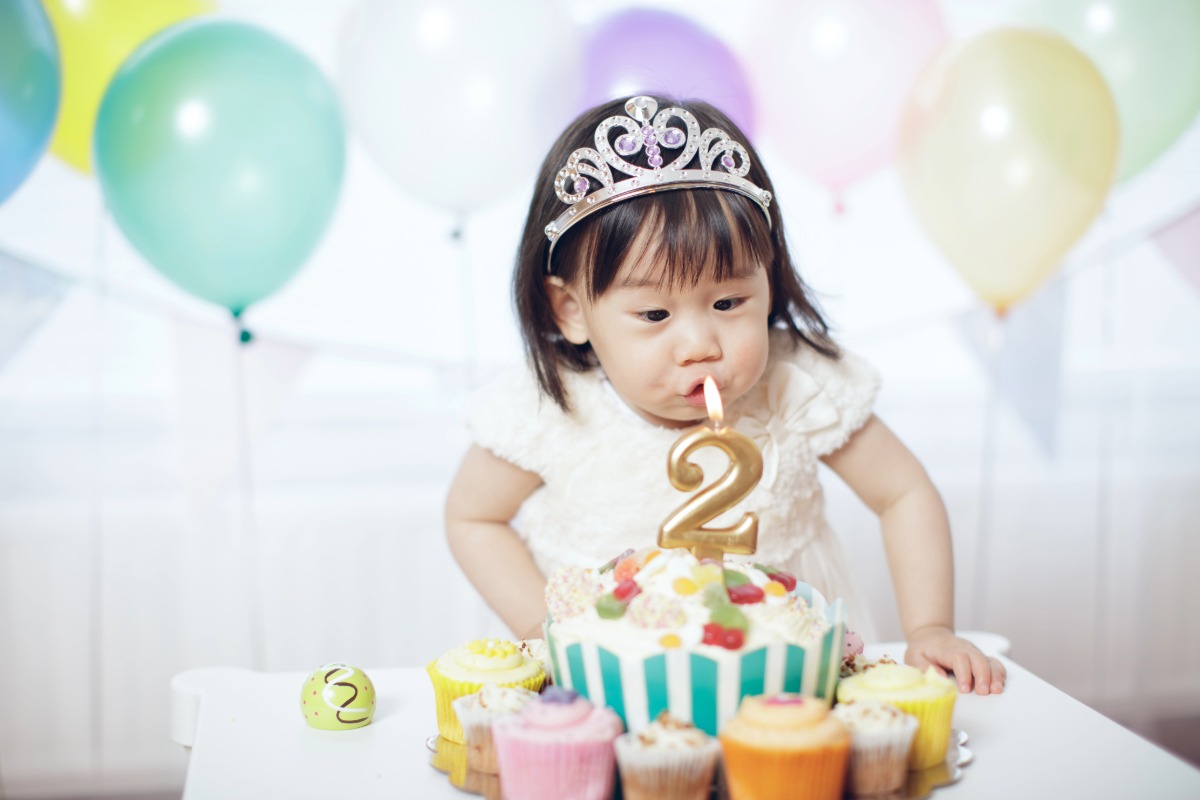
Western-style individual birthdays gained widespread popularity after the Second World War. Today, Japanese children regularly enjoy candles, birthday songs, and shortcakes. However, the cultural and ritual heart of Japan never fully migrated to standard annual birth dates. Instead, it settled firmly on key japanese birthday milestones where society agrees a person’s life has fundamentally evolved.
The Six Major Japanese Milestone Birthdays
The First Birthday: Isshō Mochi and Erabitori
A Japanese child’s first birthday involves two distinct, photogenic mini-ceremonies designed to bless their future health and prosperity.
- The Rice Cake Walk (Tacchi Mochi): The center of attention is a massive pounded rice cake weighing nearly two kilograms (about 4.4 pounds) called isshō-mochi (一升餅). The name relies on a clever linguistic pun, because isshō refers both to a traditional unit of rice measurement and to a person’s entire lifetime (一生). The toddler is fitted with the giant mochi strapped in a small backpack across their shoulders or encouraged to step on it directly, symbolizing a life free from hunger. Because two kilograms is heavy for a one-year-old, the child almost always wobbles, tumbles, or sits down crying. Family members welcome these stumbles with laughter and photos, treating the attempt itself as good luck.
- Picking a Future (Erabitori): Following the physical test comes a playful fortune-telling game called erabitori (選び取り). Various symbolic items are placed on a mat in front of the crawling child:
- Calculator or Abacus: Signals sharp business acumen and financial success.
- Calligraphy Brush or Pen: Points toward academic achievements or writing talent.
- Chopsticks: Promises a rich life filled with good food.
- Mirror or Musical Instrument: Hints at artistic flair, beauty, or performance talent.
Gifting Note: When looking for Japanese birthday gifts for a first birthday, extended family usually remain modest and practical, such as soft keepsakes, small educational toys, or cash presented in a formal monetary envelope (shugibukuro).
Childhood's Big Milestone: Shichi-Go-San (The 7-5-3 Festival)
On November 15 (or the nearest convenient weekend), Shinto shrines across Japan fill with young children wearing elaborate traditional clothing. This festival is Shichi-Go-San (七五三), literally “Seven-Five-Three,” celebrating three-year-old girls and boys, five-year-old boys, and seven-year-old girls, making it one of the most cherished Japanese birthday milestones for young children.
Odd numbers are considered inherently lucky in Japanese folk belief, mirroring the numerology rules that discourage gift sets of four. We explore these rules in detail in our Japanese taboo gifts guide. Parents dress their children in rented or family-inherited kimono or formal suits to visit local shrines and pray for long life and good health.
As part of these childhood Japanese birthday traditions, the signature confection of Shichi-Go-San is chitose-ame (千歳飴), long, thin red-and-white sticks of hard candy handed out in paper bags decorated with cranes and turtles, which are classic symbols of longevity. The name translates to “thousand-year candy,” symbolizing the wish for a long, prosperous life.
Coming of Age at Twenty: Seijin no Hi
On the second Monday of January, Japan observes a national holiday called Seijin no Hi (成人の日), or Coming of Age Day. This holiday highlights how birthdays are celebrated in Japan on a national level, honoring every young person who reached adulthood over the preceding year. Local governments host formal civic ceremonies in city halls and auditoriums, after which the new adults head out to celebrate with childhood friends.
The defining look of the day is stunning. Young women wear furisode (振袖), a formal style of kimono featuring long, sweeping sleeves reserved for unmarried women. Renting or purchasing a furisode setup often costs thousands of dollars, making professional portrait photography an essential part of the memory. Young men typically dress in dark formal suits or traditional hakama trousers.
Legal Note: Although Japan officially lowered the legal age of adulthood from 20 to 18 in 2022, most municipalities continue to hold Seijin no Hi ceremonies specifically for 20-year-olds, as legal drinking, smoking, and gambling ages remain strictly set at age 20.
Kanreki at Sixty: Completing the Zodiac Loop
Among all japanese birthday milestones, the most celebrated is the Kanreki 60th birthday (還暦). The term translates to “return of the calendar,” rooted in the traditional East Asian sexagenary cycle.
The traditional lunar calendar pairs ten heavenly stems with twelve zodiac animals, generating a unique combination for every year across a 60-year loop.
Turning 60 means you have completed an entire full cycle and returned precisely to the astrological alignment of your birth year. You haven’t simply aged 60 years. You have completed the map of life and are symbolically reborn as an infant starting fresh.
Because the celebrant is entering their “second childhood,” how birthdays are celebrated in Japan at age 60 comes with a iconic dress code:
- The Red Vest (Chanchanko): The guest of honor wears a bright red sleeveless padded vest (chanchanko) alongside a matching red cap as part of these traditional japanese birthday traditions.
- Why Red? Red (aka) is historically associated with infants (the Japanese word for baby is akachan, literally “little red one”) and is believed to ward off evil spirits and illness.
Children and grandchildren host a celebratory feast, often reserving a private room at a traditional restaurant. When choosing japanese birthday gifts for Kanreki, family members generally pick high-end items in bright red hues, luxury travel experiences, or health-focused gifts.

The Golden Ladder of Longevity: 70, 77, 80, 88, 99 and 100
Following Kanreki, Japanese birthday tradition establishes an elegant “ladder” of longevity celebrations, each named after poetic kanji character wordplay:
• Koki (古稀) – Age 70: Known as “the rare age,” derived from a famous verse by Chinese poet Du Fu noting that reaching 70 was exceptionally rare in ancient times. (Color theme: Purple)
• Kiju (喜寿) – Age 77: Known as “the happy age,” because the cursive calligraphy form of the character for joy (喜) looks like the characters for seventy-seven (七十七). (Color theme: Purple)
• Sanju (傘寿) – Age 80: Called “the umbrella age,” because the abbreviated kanji character for umbrella (傘) resembles the numbers eight and ten stacked together (八十). (Color theme: Yellow or Gold)
• Beiju (米寿) – Age 88: Called “the rice age,” because the kanji character for rice (米) can be disassembled into the characters for eight, ten, and eight (八十八). Reaching 88 is celebrated with great fanfare. (Color theme: Gold or Yellow)
• Hakuju (白寿) – Age 99: Called “the white age.” The character for white (白) is created by removing the top stroke (representing one) from the character for one hundred (百), symbolizing “one year short of a hundred.” (Color theme: White)
• Hyakuju (百寿) – Age 100: The century celebration itself, an impressive milestone often acknowledged with municipal honors and news coverage. (Color theme: White or Gold)
Read also:
Japanese Modern Birthdays: Cake, Wishes and Restraint
In contrast to major japanese birthday milestones, standard annual celebrations between big ages are relatively low-key compared to Western standards.
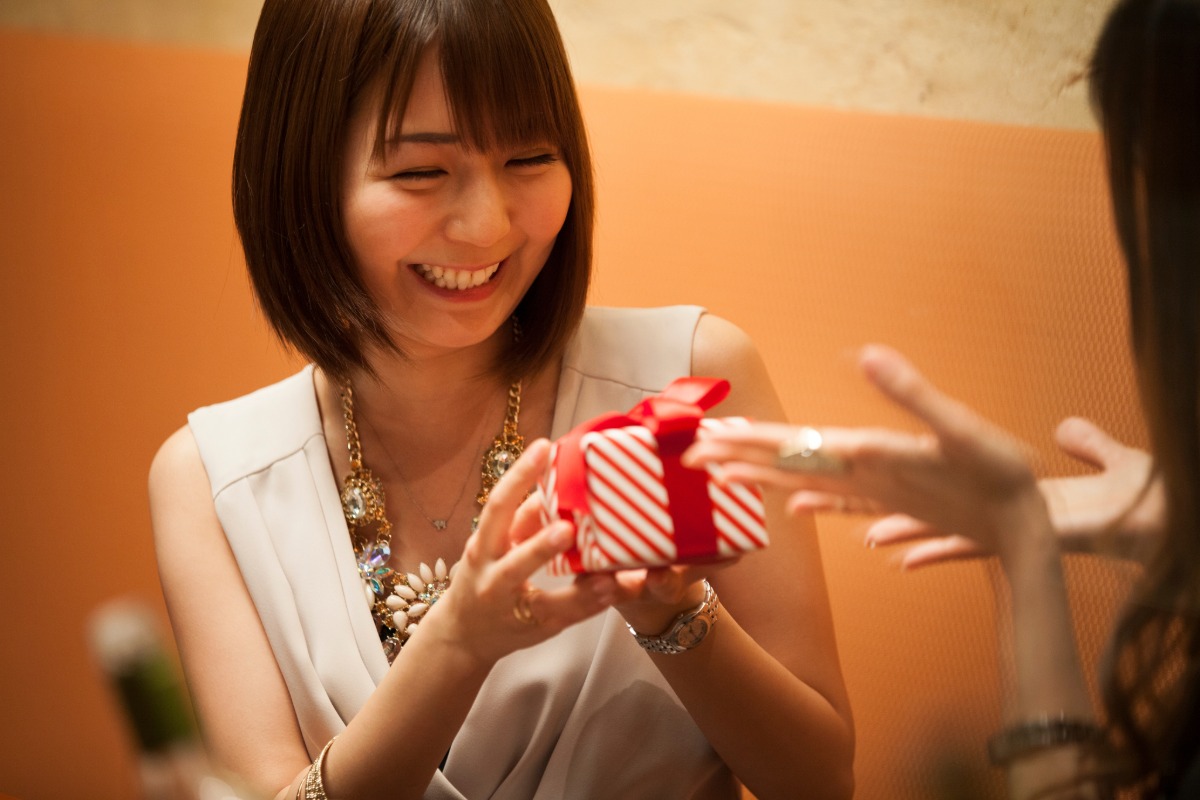
When looking at how birthdays are celebrated in Japan on an everyday basis, children typically receive toys, personal items, and a classic Japanese strawberry shortcake, which is a light sponge cake frosted with fresh whipped cream and topped with glossy red strawberries. Among adult friends, people exchange modest japanese birthday gifts like small tokens or treats, while romantic partners place a much stronger emphasis on celebrating each other with special dinner dates.
| Milestone | Age | Cultural Meaning & Key Ritual | Traditional Color |
|---|---|---|---|
| Isshō Mochi | 1 | Carrying 2kg rice cake (tacchi mochi) & future picking (erabitori) | Red & White |
| Shichi-Go-San | 3, 5, 7 | Shrine visits for health; eating long chitose-ame candy | Red & White |
| Seijin no Hi | 20 | Coming of age national holiday; formal furisode kimono attire | Various Formal |
| Kanreki | 60 | Completion of 60-year zodiac loop; wearer dons red vest (chanchanko) | Red |
| Koki | 70 | "The rare age" celebrating healthy longevity | Purple |
| Kiju | 77 | "The happy age" based on cursive kanji wordplay | Purple |
| Beiju | 88 | "The rice age" honoring a full, abundant life | Gold / Yellow |
| Hakuju | 99 | "The white age" marking one year until the century mark | White |
Essential Japanese Birthday Phrases
Whether sending a greeting card or attending a gathering in person, these standard phrases are universally appreciated:
Casual Greeting (to friends/peers):
• Otanjōbi omedetō! (お誕生日おめでとう!) — Happy Birthday!
Formal Greeting (for elders, colleagues, or milestones):
• Otanjōbi omedetō gozaimasu. (お誕生日おめでとうございます。) — Wishing you a very Happy Birthday.
Written Card Wish:
• Suteki na ichinen ni narimasu yō ni. (素敵な一年になりますように。) — May this coming year be a wonderful one for you.
Japanese Gift Giving Etiquette, Budgets and Taboos
Outside major family milestones, standard birthday gift-giving in Japan operates on thoughtful restraint. If you want to know how gift-giving works across different cultures, our guide to Asian gift-giving traditions breaks down the unwritten rules of reciprocity, taboos, and color symbolism across the region.
Recommended Spending Budgets
Casual Friends and Coworkers
💴 1,000 to 2,000 JPY ($7 to $15 USD)
Excellent options include specialty tea sets, gourmet snack boxes, quality hand towels, or personalized stationery.
Close Friends and Family
💴 3,000 to 10,000 JPY ($20 to $70 USD)
Great choices include nice skincare, specialty snacks or tea, a thoughtful small gift, or taking them out for a birthday lunch.
Why budget matters: Overly expensive birthday gifts trigger Japan’s strict social reciprocity system (okaeshi). Giving such luxury gift can cause polite discomfort by creating an unintended burden of obligation.
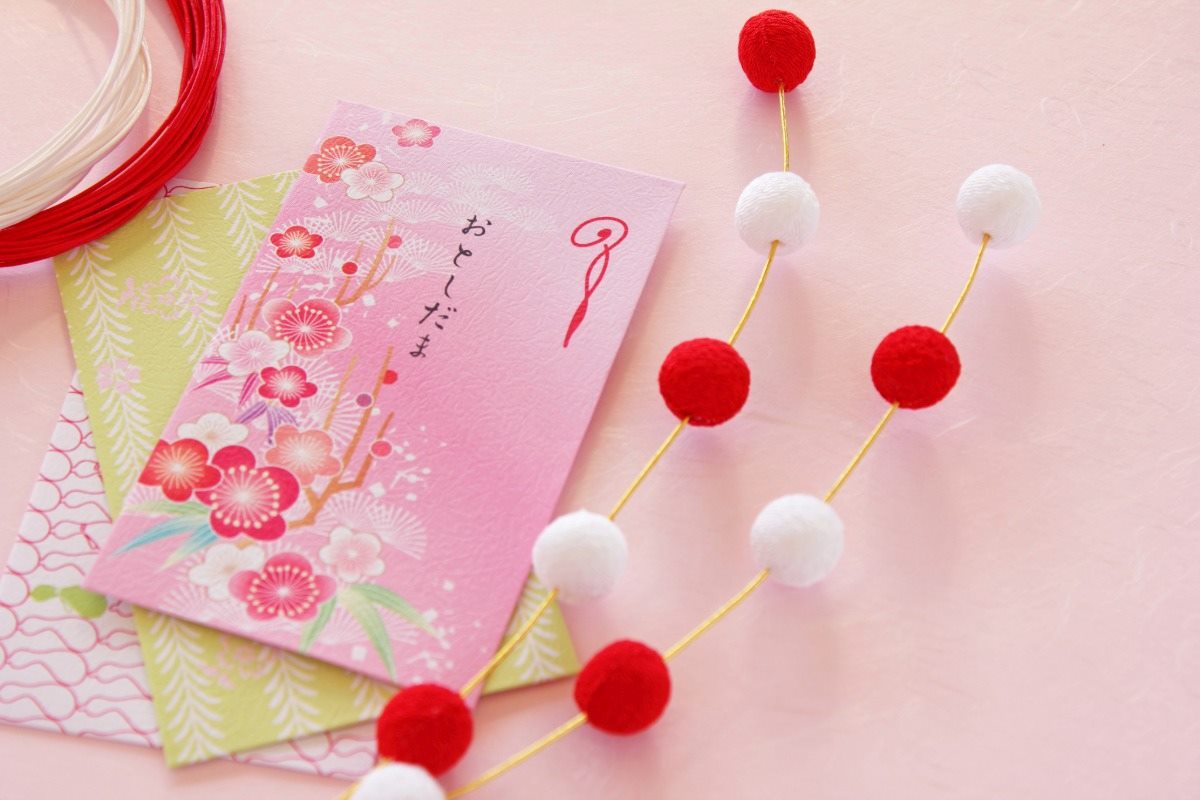
How are Japanese monetary gifts presented?
Money should always consist of crisp, uncirculated bills placed neatly inside a dedicated gift envelope. In Japan, these envelopes are an art form in themselves and turn a simple cash present into a beautiful, personal gesture.
For major milestone celebrations, formal shugibukuro (祝儀袋) are used. These feature elegant layered paper and intricate knotted cords called mizuhiki, typically in red, white, or gold. For younger kids or casual celebrations, people opt for pochibukuro (ポチ袋), smaller, charming envelopes covered in cute illustrations, pastel watercolors, floral patterns, or popular character designs.
When handing over the envelope, hold it with both hands with the front facing the recipient, and offer a gentle, polite bow.
Important Cultural Japanese Gift Taboos
❌ Never give sets of four or nine: the number four (shi) sounds identical to the word for death, while nine (ku) sounds like suffering.
❌ Avoid giving cutting tools for elders: scissors and knives symbolically suggest cutting ties or relationships.
❌ Avoid white chrysanthemums: These flowers are strictly reserved for funerals and grave visits.
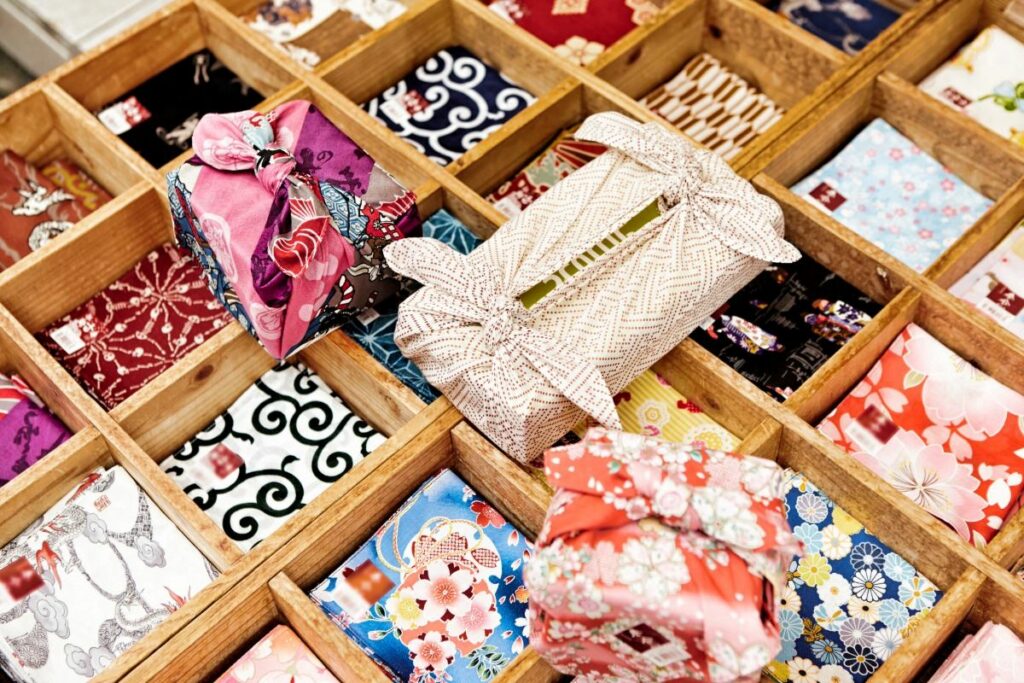
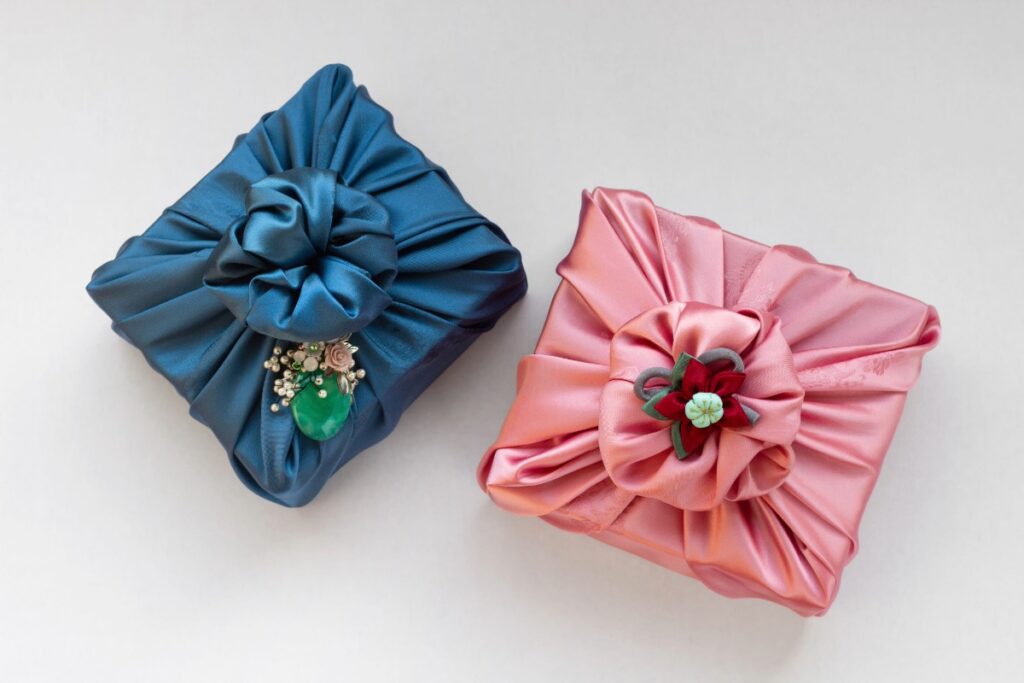
❌ Pay attention to gift wrapping: Ensure gifts are wrapped neatly in cheerful colors. Many Japanese department stores wrap gifts free of charge, or you can use a traditional reusable fabric wrap.
Is it rude to wish someone happy birthday early in Japan?
No, Japan does not share the superstition found in some European cultures against early wishes. Sending a congratulatory message early or right at midnight is common among young friends.
Do Japanese people open gifts in front of the giver?
Traditionally, gifts are set aside and opened in private later to avoid any awkward visible comparisons or social discomfort. The recipient will typically send a warm follow-up text message or note thanking you later that evening.
Is the 60th or 70th birthday more important in Japan?
Kanreki at age 60 is the most significant milestone because it marks the completion of the entire 60-year calendar loop. Celebrations after 60 (70, 77, 88) are precious encore achievements, but 60 remains the headline event with its iconic red vest ritual.